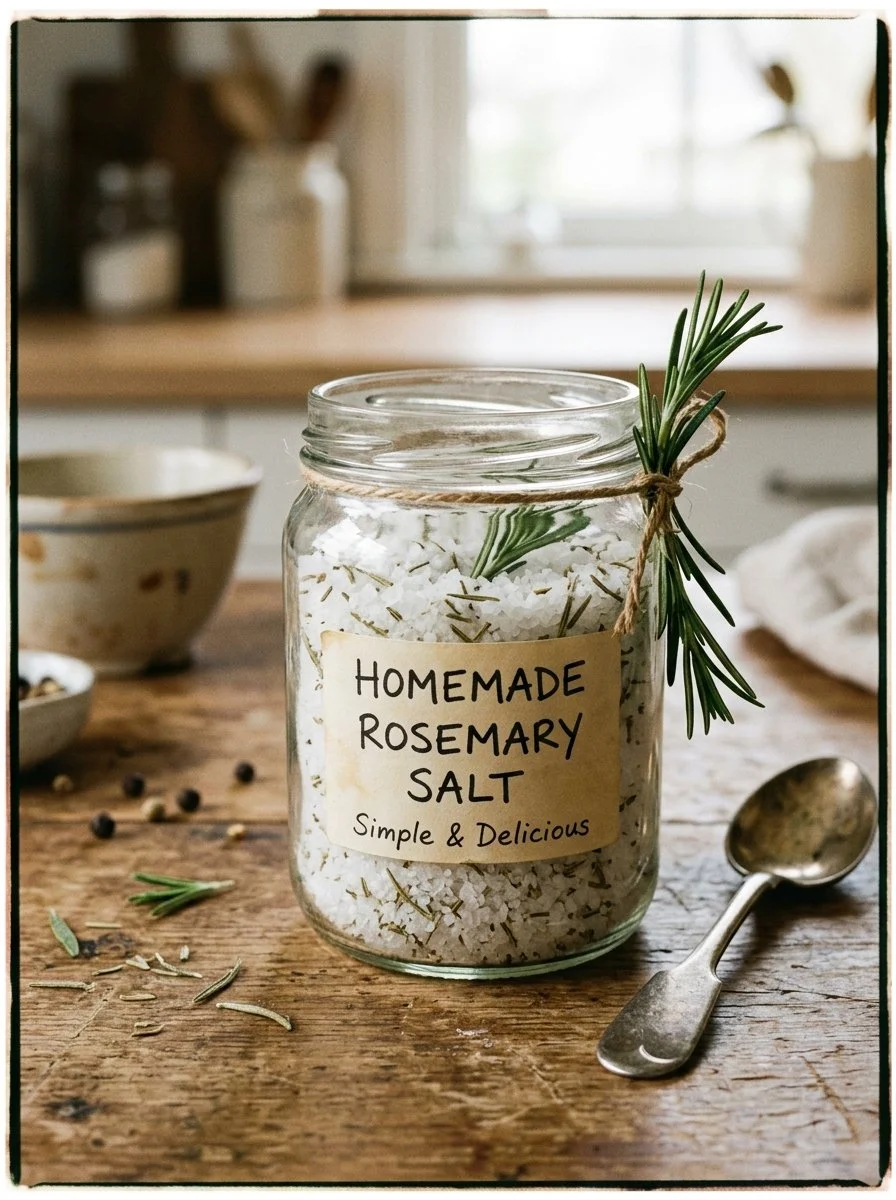
Elevate Your Dishes with Homemade Rosemary Salt
The first sprinkle of homemade rosemary salt instantly transforms a dish as it crackles against the hot surface. The aromatic blend wafts up and envelops your senses, as the coarse texture brings an unexpected crunch with every bite. Imagine the warmth of the kitchen as the scent of fresh rosemary mingles with lemon zest, creating a flavor explosion that dances across your palate. You may also find Best Chicken Saltimbocca useful.
The Origin & Heritage
Homemade rosemary salt has deep culinary roots, often associated with traditional Mediterranean cooking. In many households, especially during festive gatherings, the act of crafting this seasoning is a time-honored ritual. I remember spending afternoons in my Grandma’s kitchen, surrounded by laughter and warmth, while she taught me about the alchemy of flavors. She always emphasized the importance of seasoning, sharing how a simple combination of ingredients could elevate even the most basic dishes. Rosemary, known for its robust flavor, is often a favorite in Italian cuisine, making this salt a versatile staple in many cultural kitchens.
The Science of Flavor
- Enhancing Umami: Rosemary has compounds that enhance savory flavors, making dishes taste more complex and satisfying.
- Freshness Factor: The lemon zest provides acidity, balancing out rosemary’s earthy notes and refreshing the palate.
- Texture Play: Coarse sea salt offers a delightful crunch that enhances the overall eating experience.
- Preservation Properties: Salt acts as a preservative, extending the shelf-life of rosemary, allowing you to enjoy its flavor months after preparation.
- Health Benefits: Rosemary contains antioxidants and is believed to support digestion, bringing a health boost along with flavor.
The Ingredients
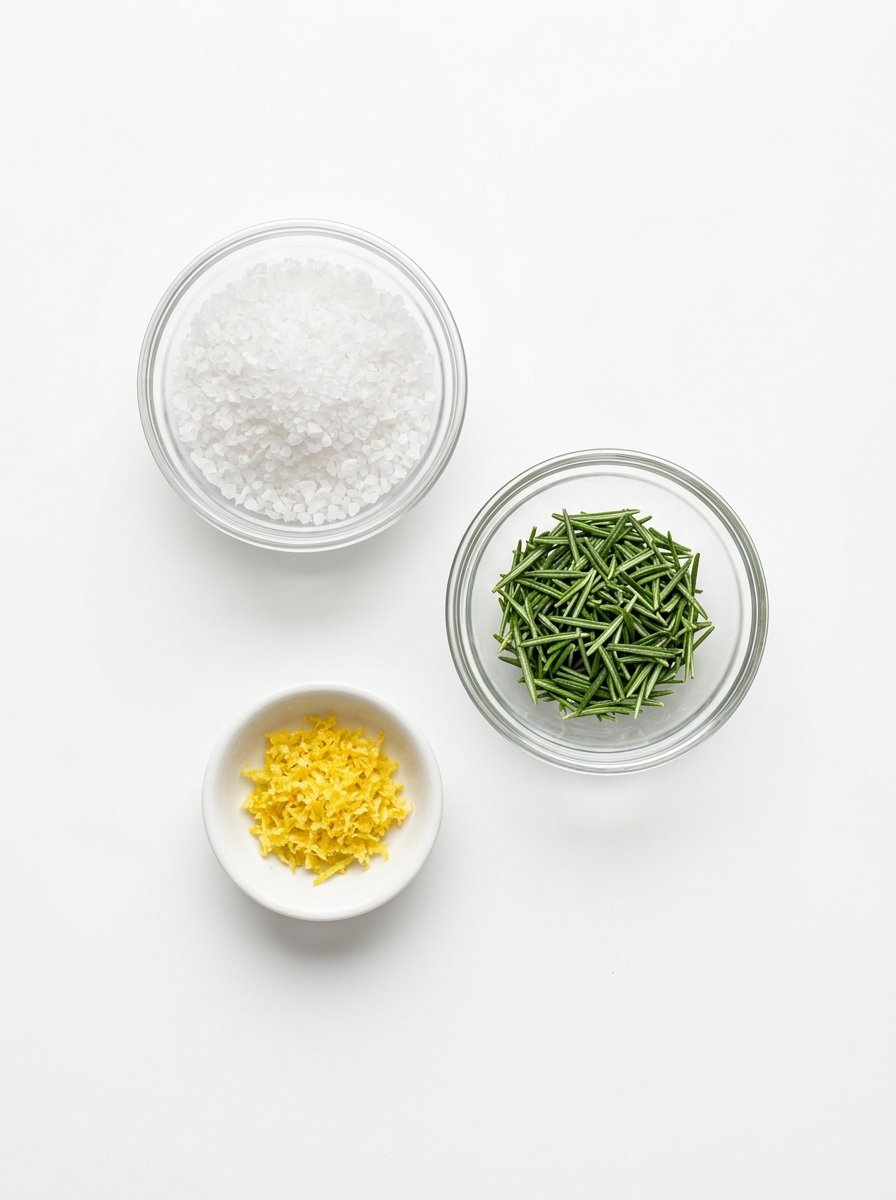
Ingredients:
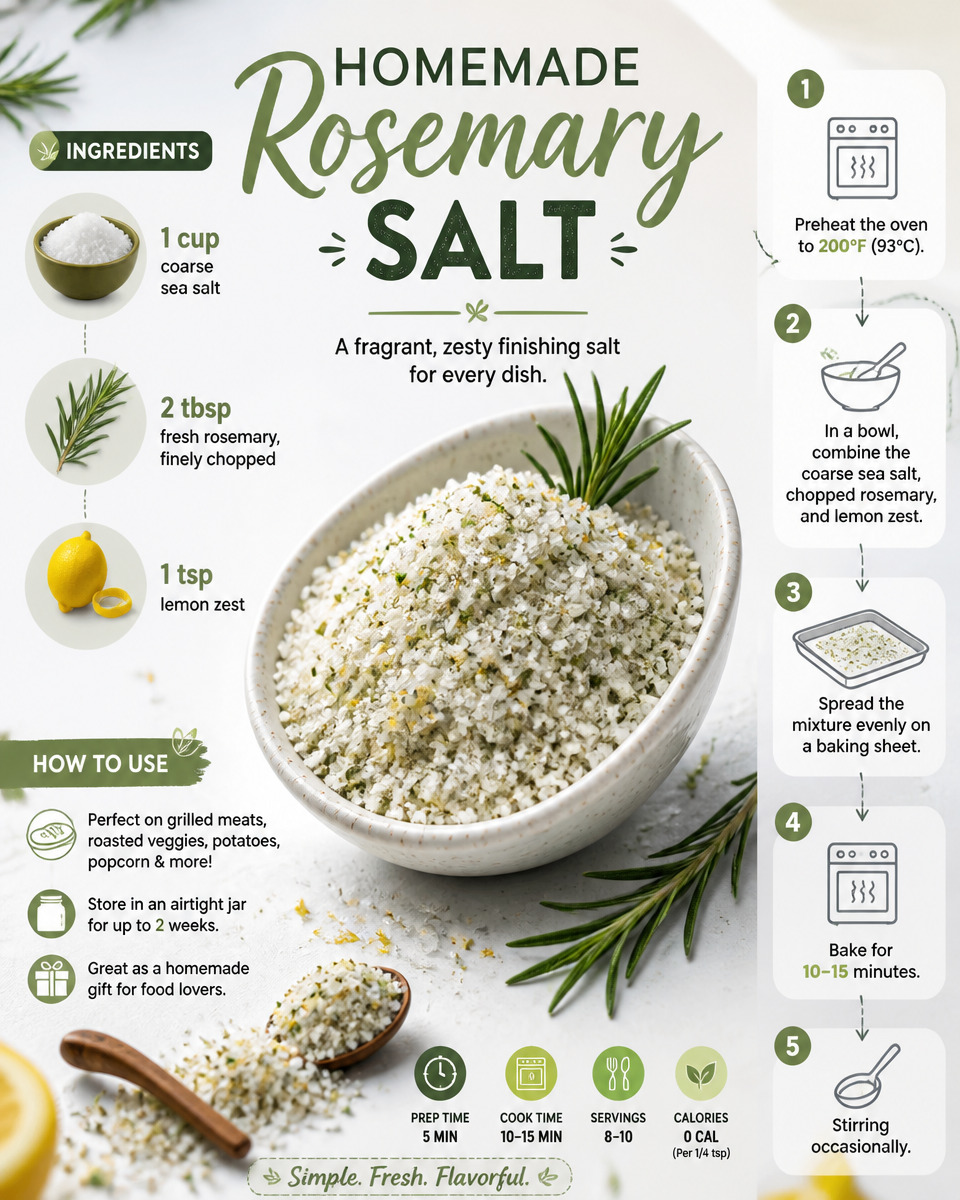
- 1 cup coarse sea salt
- 2 tablespoons fresh rosemary, finely chopped
- 1 teaspoon lemon zest
Pro-Note:
- For optimal flavor, always opt for fresh rosemary rather than dried; the freshness makes a significant difference.
- When choosing sea salt, look for a high-quality coarse salt, which can enhance texture and flavor more effectively than table salt.
The Masterclass Instructions
- Preheat the oven to 200°F (93°C). This low temperature is crucial for drying without burning.
- In a bowl, combine the coarse sea salt, chopped rosemary, and lemon zest. The aromatic oils from the rosemary will blend beautifully with the salt.
- Spread the mixture evenly on a baking sheet to ensure even drying.
- Bake for 10-15 minutes, stirring occasionally, until the salt is slightly dry but not browned. You’ll notice the fragrance becomes more pronounced as it bakes.
- Let it cool completely before transferring it to an airtight container. This cooling phase helps preserve the flavor.
A Healthier Perspective
To enhance the nutritional profile of dishes seasoned with homemade rosemary salt, consider these tips:
- Use Sparingly: Pair this seasoning with fresh vegetables or lean meats to keep sodium levels in check.
- Add Fiber: Incorporate herbs or seeds into your dishes to boost fiber content, making meals more satisfying and nutritious.
- Healthy Fats: Drizzle olive oil instead of butter when using your rosemary salt to increase healthy fat intake.
Rosemary itself is rich in antioxidants and anti-inflammatory properties, making it a beneficial addition to your meals.
The Troubleshooter
- Why did my salt clump together?
- Ensure the mixture is fully cooled before storing; moisture can cause clumping.
- Why does my rosemary salt lack flavor?
- Always start with fresh ingredients. Dried rosemary won’t provide the same intensity.
- Why did my salt burn?
- Keep the oven temperature low and check frequently to prevent burning during the baking process.
The Art of Serving
Homemade rosemary salt can be served in many exciting ways:
- Use it to season roasted vegetables or chicken dishes for an aromatic touch.
- Pair it with a glass of light white wine to balance the flavors in your meal.
- Present it in a small bowl as a dip for fresh bread, adding an upscale touch to your dining experience.
The Dietary Lab
To cater to different dietary needs:
- Vegan: This recipe is naturally vegan; just avoid animal products in accompanying dishes.
- Gluten-Free: Homemade rosemary salt is gluten-free and can add flavor easily.
- Keto: Perfect for a keto diet, this seasoning enhances flavors without adding carbs.
Storage & Revival
- Yield: Approximately 1 cup
- Prep Time: 10 minutes
- Cook Time: 15 minutes
The Revival Rule: To refresh your homemade rosemary salt, you should avoid reheating in a microwave, as it can alter the texture. Instead, consider placing it back in a warm oven (under 200°F) for a few minutes to restore its aroma and flavor.
FAQ
What is the best way to use rosemary salt?
This seasoning is versatile and can be used to enhance roasted vegetables, meats, or even popcorn.
Can I add other herbs to this salt?
Yes, combining rosemary with herbs like thyme or oregano creates a flavorful blend.
How long does homemade rosemary salt last?
When stored in an airtight container, it can last up to six months.
Can I use dried rosemary instead?
Fresh is recommended for the best flavor, but dried can be a substitute if necessary.
Is rosemary salt healthy?
In moderation, this salt can enhance flavor without the need for unhealthy additives.
Can I use it on seafood?
Absolutely, it pairs beautifully with fish dishes and can elevate their flavors.
Can children use it?
Yes, as long as it’s used sparingly, it’s safe and flavorful for all ages.
How do I adjust for salt sensitivity?
Use it sparingly or mix it with a salt substitute for a lower sodium option.
Can I gift homemade rosemary salt?
Definitely! It makes for a thoughtful, personalized gift.
Where can I purchase rosemary if I can’t find it fresh?
Most grocery stores carry fresh rosemary in the produce section, but you may also find it at farmers’ markets.
Leave a comment below if you tried the Homemade Rosemary Salt! If you’re looking for more delicious recipes, check out the 30-Minute Garlic Rosemary Chicken, the Apple Cider Cake with Salted Caramel Buttercream, or the Easy Homemade Beef Gravy!
Conclusion
Homemade rosemary salt adds a unique and aromatic touch to any dish, bringing out the best in your culinary creations. To explore the broader uses of this flavorful seasoning, check out the guide on Rosemary Salt – Aubrey’s Kitchen or try the delightful Rosemary Salt Recipe – A Pretty Life In The Suburbs for more inspiration!
Print
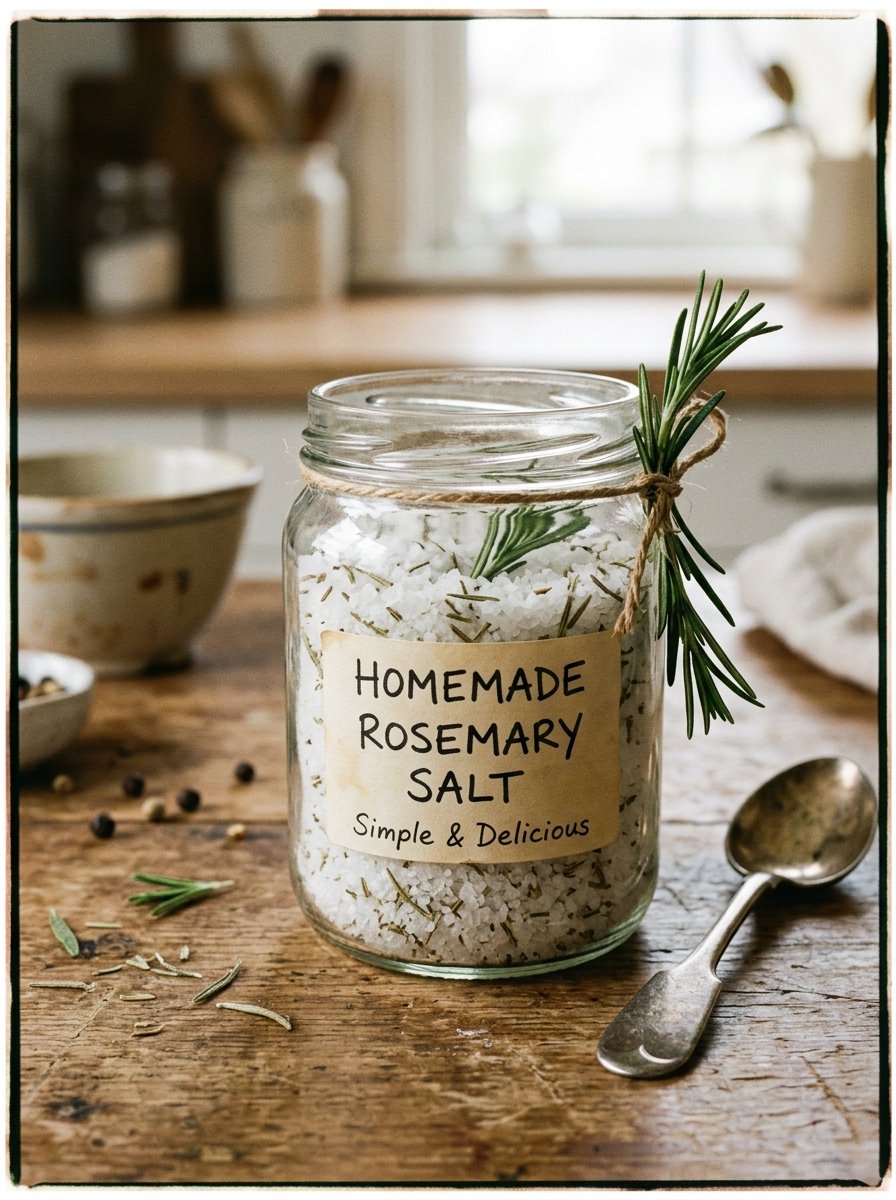
Homemade Rosemary Salt
- Total Time: 25 minutes
- Yield: 1 cup 1x
- Diet: Vegan, Gluten-Free, Keto
Description
Elevate your dishes with homemade rosemary salt, blending fresh rosemary, lemon zest, and coarse sea salt for an aromatic, flavorful seasoning.
Ingredients
- 1 cup coarse sea salt
- 2 tablespoons fresh rosemary, finely chopped
- 1 teaspoon lemon zest
Instructions
- Preheat the oven to 200°F (93°C).
- Combine the coarse sea salt, chopped rosemary, and lemon zest in a bowl.
- Spread the mixture evenly on a baking sheet.
- Bake for 10-15 minutes, stirring occasionally, until slightly dry.
- Let it cool completely before transferring to an airtight container.
Notes
For optimal flavor, always use fresh rosemary. Ensure the mixture cools completely to avoid clumping.
- Prep Time: 10 minutes
- Cook Time: 15 minutes
- Category: Condiment
- Method: Baking
- Cuisine: Mediterranean
Nutrition
- Serving Size: 1 teaspoon
- Calories: 0
- Sugar: 0g
- Sodium: 0mg
- Fat: 0g
- Saturated Fat: 0g
- Unsaturated Fat: 0g
- Trans Fat: 0g
- Carbohydrates: 0g
- Fiber: 0g
- Protein: 0g
- Cholesterol: 0mg
🥗 Free Custom Keto Meal Plan?
Do you want to lose weight while still enjoying delicious Asian & Thai Fusion meals? Take this quick quiz to get your personalized Keto plan based on your favorite foods!
- ✅ No more guessing what to eat
- ✅ Delicious & easy-to-make recipes
- ✅ Tailored to your body type
Get My Custom Plan Now! →
*Over 100,000+ people have transformed their lives with this quiz.