Discover the Magic of Basic Thai Omelette (Kai Jiew) – Your New Go-To Comfort Food!
Picture this: it’s a cozy evening, the aroma of something wonderful wafting through the kitchen, and the sound of laughter filling the air. That’s the nostalgic scene I recall when I whip up my beloved Basic Thai Omelette, known affectionately as kai jiew. It holds a special place in my heart—not just because it’s a dish we often enjoyed as a family, but also due to its comforting simplicity. Whether you’re coming home after a long day or hosting a casual brunch, this omelette wraps you in warmth and joy.
What makes these omelettes so remarkable is not just their fluffy texture and delightful flavor, but also the profound memories attached to each bite. As I learned to prepare kai jiew from my Thai grandmother, I discovered that this dish is far more than just scrambled eggs; it’s a canvas for love and creativity. This recipe is a game-changer—it’s quick, inexpensive, and infinitely customizable, making it far superior to any bland diner fare or pricey restaurant version.
Stick around, and I’ll guide you on how to create this delightful dish, share tips for perfecting it, and inspire you to make your own delicious memories around the table!
What Are Basic Thai Omelettes (Kai Jiew)?
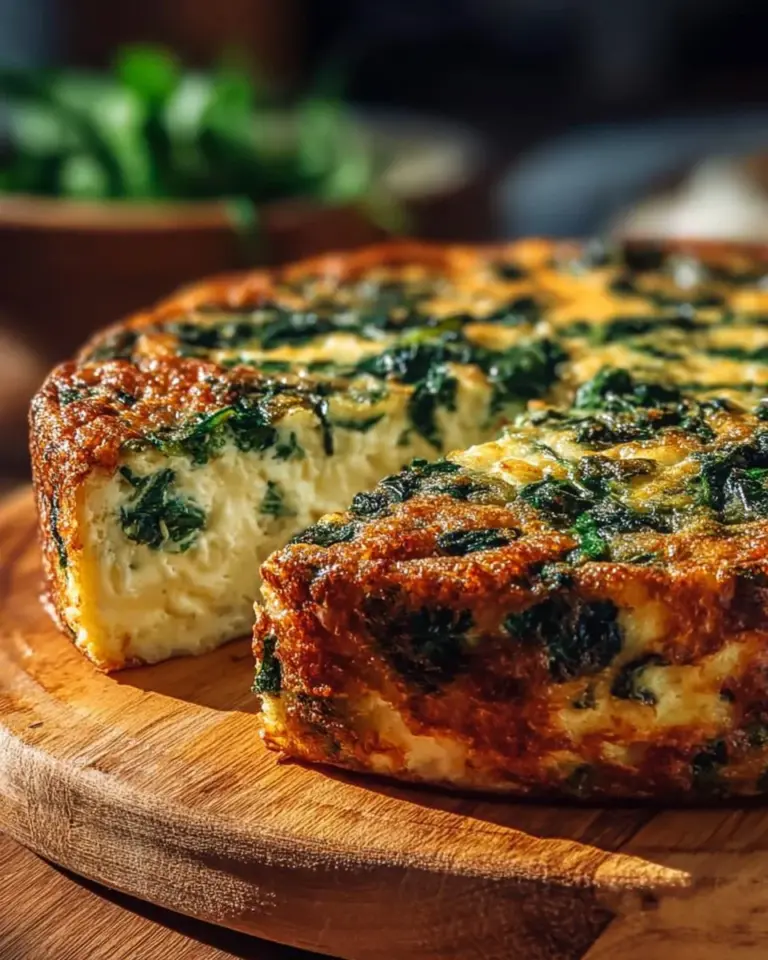
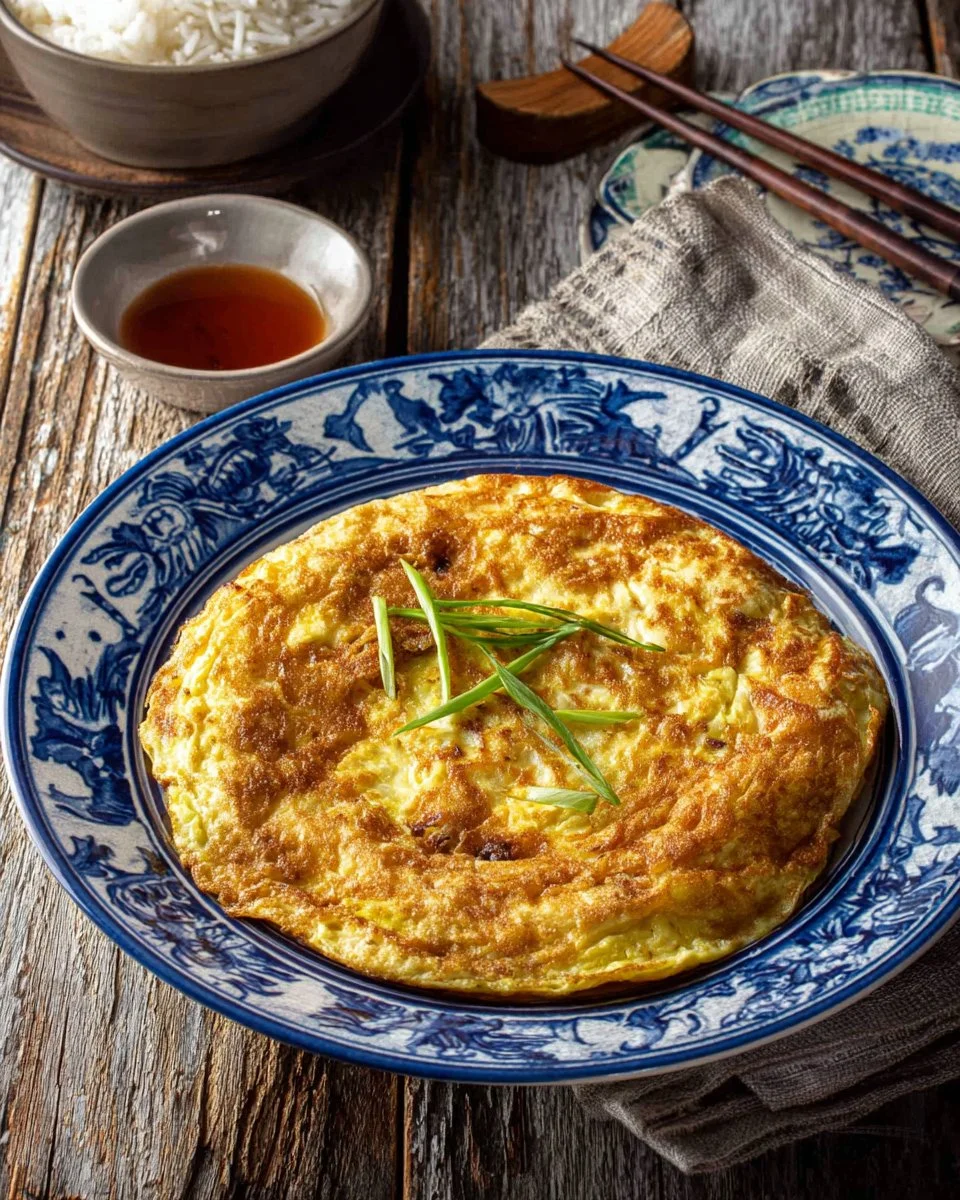
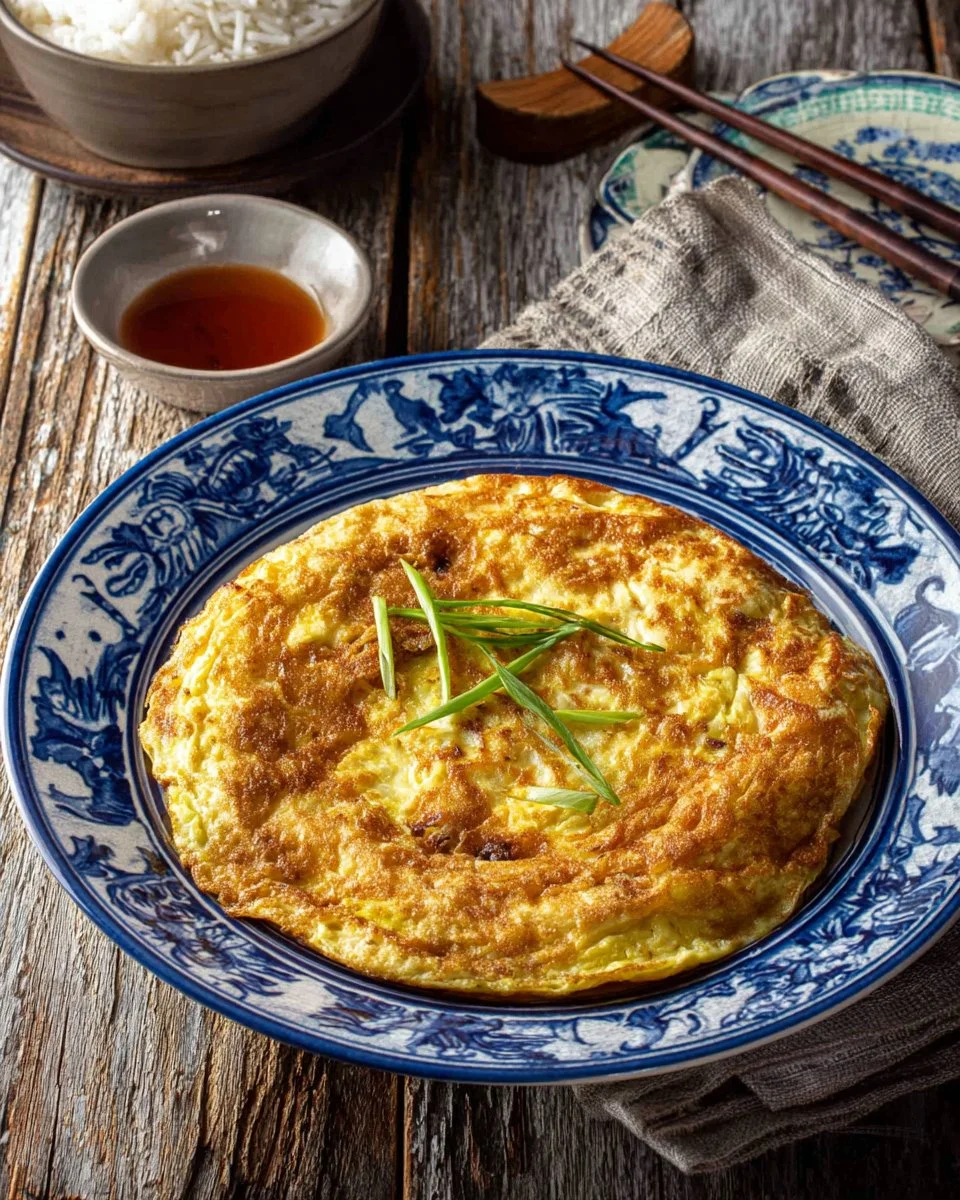
Basic Thai Omelettes, or kai jiew, are a quintessential dish in Thai cuisine that embodies the charm of home-cooked meals. Traditionally, they are made with just a few simple ingredients: eggs, fish sauce (or soy sauce for vegetarians), and a splash of oil. The result is a golden-brown, fluffy omelette that’s both crispy on the outside and surprisingly soft on the inside.
What sets kai jiew apart is the wonderful umami flavor infused by the fish sauce, bringing depth to its comforting simplicity. Imagine the sensation of biting into it—the warm, fluffy mattress of eggs paired with just the right amount of savory crunch! These omelettes are perfect for breakfast, lunch, or dinner and can be enjoyed solo or garnished with fresh herbs and served alongside jasmine rice.
Whether you’re whipping up a quick snack or impressing guests at a dinner party, kai jiew is an opportunity to share a piece of Thai tradition and your own culinary story.
Why You’ll Love This Recipe
Quick and Easy: This Basic Thai Omelette takes less than 15 minutes from start to finish! Perfect for busy weeknights or lazy weekends.
Cost-effective: With just a couple of eggs and a few pantry staples, you can create a satisfying meal that’s light on your wallet. Say goodbye to overpriced takeout!
Customization Galore: Want to jazz it up? Feel free to toss in your favorite ingredients—think fresh herbs, chili flakes, or even leftover vegetables. You can make it as simple or elaborate as you like!
Healthier Alternative: Unlike many greasy restaurant versions, this homemade omelette is made with just the right amount of oil, allowing you to control what goes into your meal.
Difficulty Level: Super Easy: The uncomplicated technique means anyone, from a kitchen novice to a seasoned chef, can master it. Plus, I’ll share tips along the way to help you avoid common hiccups.
Trust me; once you try this Basic Thai Omelette (kai jiew), you’ll wonder how you ever lived without it in your weekly rotation.
Ingredients
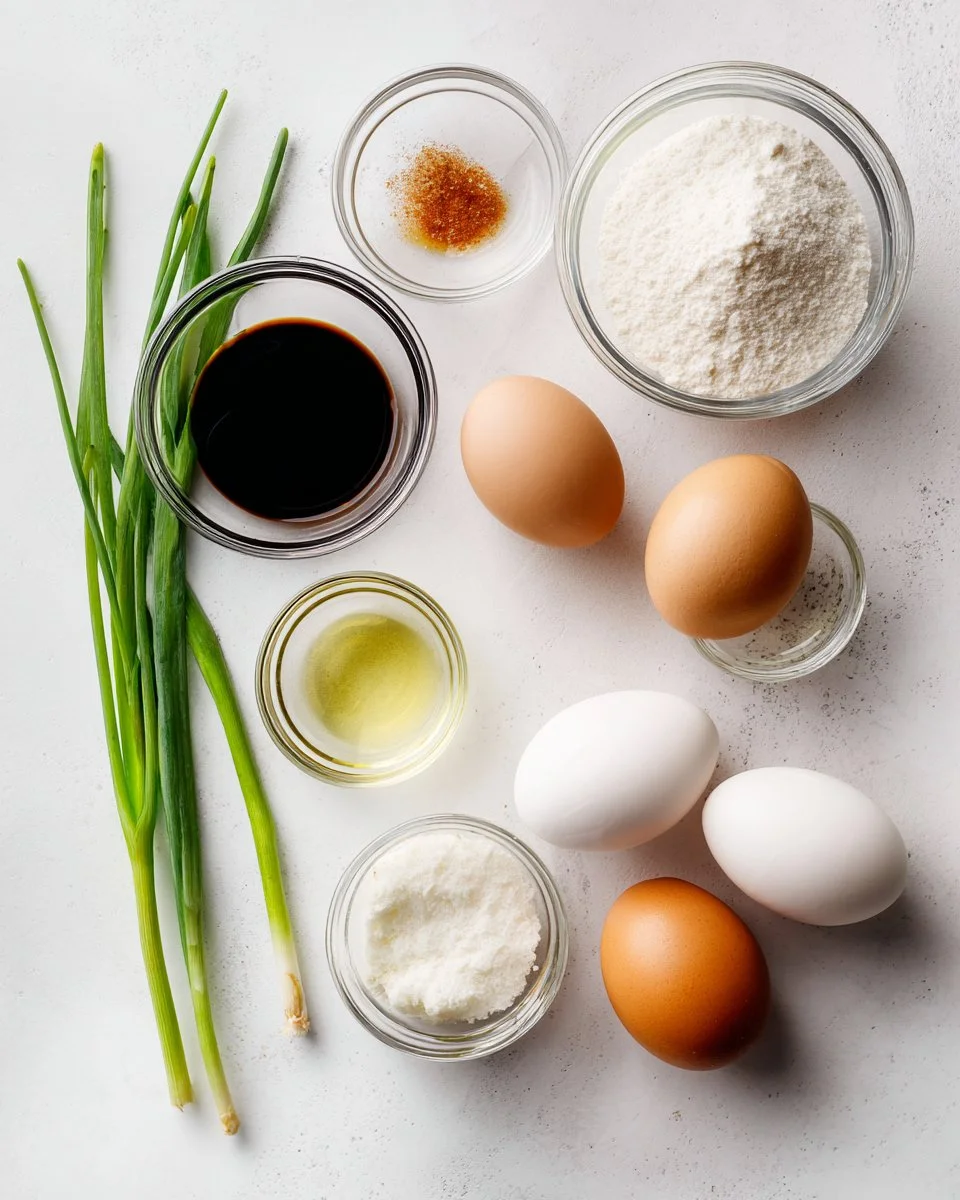
2 large eggs
- For the best results, use fresh, high-quality eggs. Local farm-fresh eggs are preferred for richer flavor and vibrant color.
1 teaspoon fish sauce (or soy sauce if vegetarian)
- Fish sauce provides that signature umami kick. If you’re avoiding fish, a good-quality soy sauce works well. Make sure to choose a low-sodium option for a lighter flavor.
Neutral oil (as needed)
- Sunflower or canola oil works perfectly. Just avoid oils with strong flavors that may overwhelm the dish.
Prep notes: Allow your eggs to sit at room temperature for about 15 minutes before cooking. It helps achieve a fluffier texture!
For a touch of indulgence, I love using Kirkland Signature Vegetable Oil for frying—it’s affordable and has a neutral taste that lets the other flavors shine.
Step-by-Step Instructions
Beat the Eggs: In a medium bowl, use a fork to beat the eggs together with the fish sauce. Beat until the mixture is well-combined and slightly frothy—this helps create that fluffy texture!
Cooking Method 1 (Deep-fry Style):
- Heat about half an inch of oil in a round-bottomed wok or skillet. Ensure the oil is hot enough by dropping a tiny bit of the egg mixture in; if it bubbles vigorously, you’re good to go.
- Once the oil is hot, pour in the eggs. Let them sizzle and cook until the underside is beautifully browned (about 1-2 minutes). Use a spatula to gently lift the edges and tilt the pan to let any uncooked egg flow to the edges.
- Carefully flip the omelette and cook for an additional 30 seconds to set the other side. Drain on paper towels and serve with jasmine rice and sriracha.
Cooking Method 2 (Pan-fried):
- Add just enough oil to coat the bottom of a frying pan and heat over medium-high.
- Once the oil is ready, pour in the egg mixture. Use a spatula to push the edges inward gently, allowing the raw egg to flow outward.
- Once the edges begin to set (about 1 minute), flip when golden and cook for another 10 seconds until just set. Serve as above!
Chef’s Tips:
- Visual Cues: Look for a gentle puffing in the egg mixture; this shows it’s cooking well.
- Common Mistakes: Don’t overcrowd the pan, and ensure the oil is hot enough—this keeps the omelette from becoming soggy.
Expert Tips & Tricks
Perfect Temperature: Maintain medium-high heat while cooking; too low will leave a soggy omelette, while too high may burn it.
Storing Leftovers: If you have any leftovers (not typical!), allow them to cool and store in an airtight container in the refrigerator for up to two days.
Make-Ahead: You can beat the eggs and store them in the fridge a day in advance—this makes for a quick dinner!
Troubleshooting Common Problems: If your omelette sticks, it may be the pan. Always ensure it’s well-greased and blazing hot before adding the eggs.
Adding Extra Flavor: Adding garlic or green onions to the oil before the eggs can elevate the flavor experience even further!
Serving Suggestions
This Basic Thai Omelette is versatile! Serve it over steaming jasmine rice for a fulfilling meal. Pair it with a refreshing cucumber salad to balance the flavors, or adorn it with a sprinkle of fresh cilantro for a pop of color and freshness.
For special occasions, consider serving it alongside Thai basil fried rice or spring rolls for a delightful spread that will impress your guests!
Variations & Substitutions
Flavor Combinations: Experiment by mixing in shredded vegetables like carrots or bell peppers, or cheese for a fusion twist!
Dietary Restrictions: For a vegan version, replace the eggs with a chickpea flour mix. Simply whisk chickpea flour with water until smooth, adding seasoning to taste.
Seasonal Variations: Incorporate fresh herbs during the summer or consider a spicy version with chilies for that extra kick.
Nutrition & Storage Info
- Prep Time: 5 minutes
- Cook Time: 10 minutes
- Total Time: 15 minutes
- Yield: 1 Serving
- Estimated Calories: Approximately 200 calories per serving
Storage Instructions: The omelette is best enjoyed fresh but can be stored in the fridge for up to two days. It’s best to consume it within this time to savor the flavors fully.
FAQ SECTION
Can I make this without fish sauce?
Yes! Use soy sauce or mushroom sauce as a vegetarian alternative.What’s the best way to ensure my omelette is fluffy?
Make sure to whisk the eggs well and beat in some air. Also, cooking over medium-high heat helps with fluffiness.Can I add other ingredients to the omelette?
Absolutely! Feel free to customize with your favorite veggies, herbs, or proteins.How do I know when the omelette is done cooking?
The eggs should be set but still moist on top, with a golden color on the bottom.Can I freeze the omelette?
It’s best fresh, but if you must freeze it, wrap it tightly in plastic wrap and store it in an airtight container for up to a month.How long does it take to cook?
This quick dish typically takes about 10 minutes to cook once your oil is hot!What can I serve with this omelette?
Jasmine rice, a salad, or sautéed greens make excellent sides.Can I use less oil?
You can, but the texture may differ. A light coating of oil is optimal to achieve the desired crunch.What if my omelette sticks to the pan?
Ensure the pan is fully heated and properly greased before adding the egg mixture.How can I spice it up?
Add some chili flakes or sriracha to the egg mixture or serve on the side for some heat!
Conclusion
This Basic Thai Omelette (kai jiew) is more than a simple dish; it’s a celebration of warm memories and simple joys. I hope you feel encouraged to try this recipe, make it your own, and savor each delightful bite. And when you do, I’d love to hear your stories or any feedback you have! Don’t forget to check out my other related recipes for an exciting journey through Thai cooking. Happy cooking!
Print
Basic Thai Omelette (Kai Jiew)
- Total Time: 15 minutes
- Yield: 1 serving 1x
- Diet: Vegetarian
Description
A quick and delightful Thai omelette featuring eggs, fish sauce, and customizable ingredients, perfect for any meal.
Ingredients
- 2 large eggs
- 1 teaspoon fish sauce (or soy sauce if vegetarian)
- Neutral oil (as needed)
Instructions
- Beat the eggs in a medium bowl with the fish sauce until well combined and frothy.
- Heat about half an inch of oil in a wok or skillet and test with a small amount of egg mixture.
- Pour in the eggs and cook until the underside is browned (about 1-2 minutes), lifting edges to allow uncooked egg to flow to the edges.
- Flip the omelette and cook for an additional 30 seconds. Drain on paper towels and serve with jasmine rice.
- Add just enough oil to coat the bottom of a frying pan for pan-fried method and heat over medium-high.
- Pour in the egg mixture, push edges inward, and cook until edges set (about 1 minute), then flip and cook for another 10 seconds until just set.
Notes
For a fluffier texture, let eggs sit at room temperature for about 15 minutes before cooking.
- Prep Time: 5 minutes
- Cook Time: 10 minutes
- Category: Main Course
- Method: Frying
- Cuisine: Thai
Nutrition
- Serving Size: 1 serving
- Calories: 200
- Sugar: 1g
- Sodium: 300mg
- Fat: 14g
- Saturated Fat: 2g
- Unsaturated Fat: 10g
- Trans Fat: 0g
- Carbohydrates: 1g
- Fiber: 0g
- Protein: 12g
- Cholesterol: 370mg
🥗 Free Custom Keto Meal Plan?
Do you want to lose weight while still enjoying delicious Asian & Thai Fusion meals? Take this quick quiz to get your personalized Keto plan based on your favorite foods!
- ✅ No more guessing what to eat
- ✅ Delicious & easy-to-make recipes
- ✅ Tailored to your body type
Get My Custom Plan Now! →
*Over 100,000+ people have transformed their lives with this quiz.