# Delightful Homemade Tamarind Paste: A Flavorful Journey for Your Dishes
## Introduction
Picture this: a bustling kitchen filled with laughter, the aroma of spices, and the sound of family bonding over food. I still remember the first time my grandmother taught me how to make *Homemade Tamarind Paste*. It was a rainy afternoon, and as we sat by the window, she shared stories of her childhood while teaching me about the tangy goodness of tamarind. This vibrant paste not only enhances your dishes but is also steeped in love and nostalgia.
What makes my version of homemade tamarind paste so special is the attention to quality and the personalized touch that often goes missing in store-bought ones. When you make it from scratch, you harness the natural flavors and aromas that transport you back to that cozy kitchen with Grandma. There’s a comforting feeling that comes with creating something at home, infused with memories and tradition. Today, I promise to guide you through the process of making your own batch of this luscious paste that is perfect for tamarind rice, tangy sauces, or even refreshing beverages. Let's delve into this flavorful world together!
## What Are Homemade Tamarind Paste?
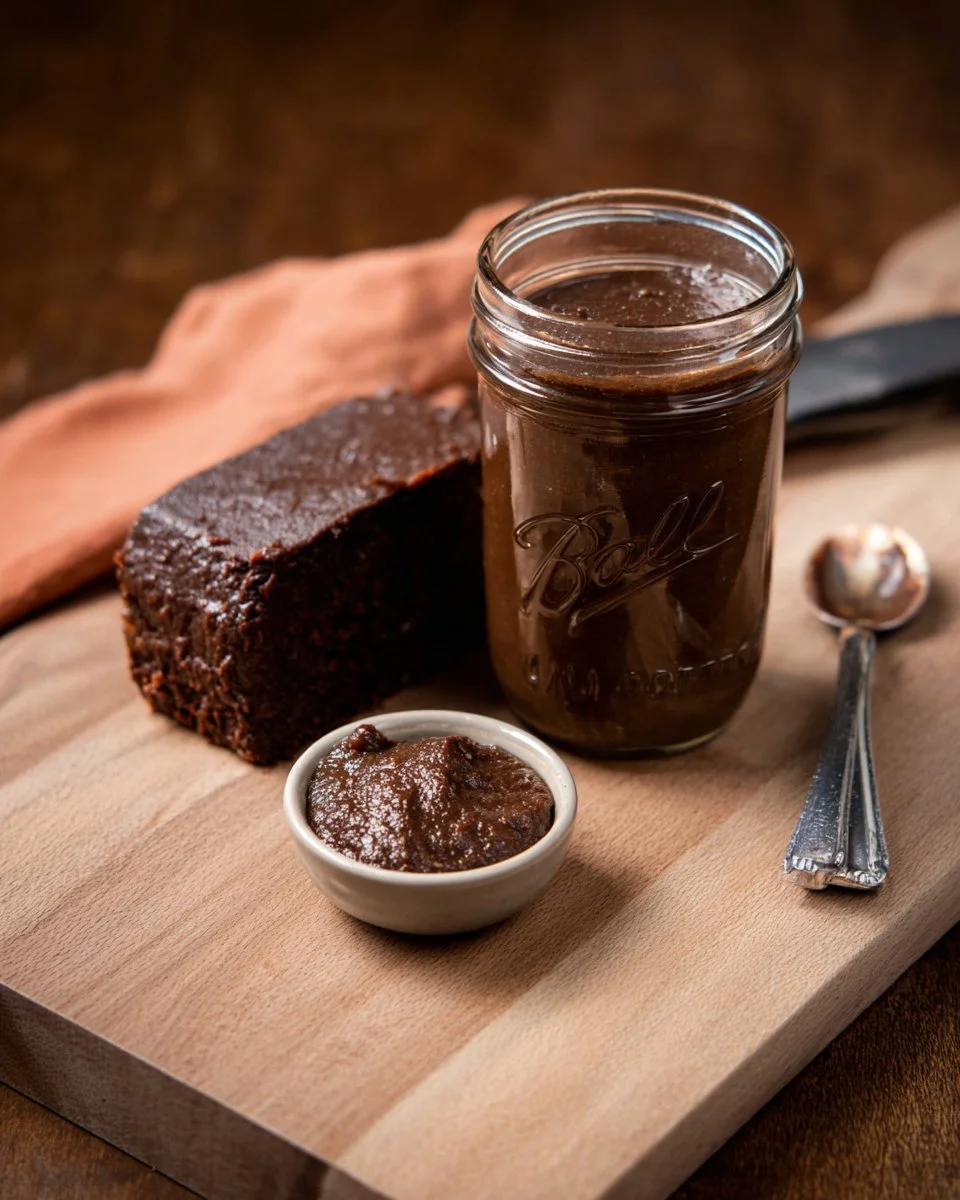
Tamarind is a tropical fruit that hails from Africa but finds its way into cuisines around the world, especially in South Asian and Latin American dishes. The *Homemade Tamarind Paste* is derived from the pulpy interior of the tamarind pod, showcasing a unique blend of sweet, tangy, and slightly tart flavors. The texture? Think of it as pleasantly thick and smooth, comparable to a rich fruit puree.
What makes this paste stand out is its versatility. Whether you’re whipping up a spicy chutney or adding depth to a curry, this homemade version captures the essence of freshness that you simply can’t replicate with store-bought. Plus, making your tamarind paste allows you to control the taste—all the tang, none of the preservatives. So, the next time you’re craving a comforting dish or want to impress your guests with an authentic flavor, homemade is the way to go.
## Why You'll Love This Recipe
Here’s why you’ll absolutely adore making *Homemade Tamarind Paste*:
1. **Freshness Over the Shelf**: Unlike the store-bought varieties, which often contain additives and preservatives, your homemade paste will burst with fresh, natural flavor. Picture the bright tanginess dancing on your taste buds!
2. **Cost-Effective**: Did you know that a half-pound of tamarind can yield a significant amount of paste? This means brighter flavors in your meals without breaking the bank. Plus, you can make a large batch that lasts, saving you time and money in the long run.
3. **Customization Galore**: Want a bit more sweetness? Add a touch of sugar. Prefer less tang? Balance it out with more water during the blending process. This recipe gives you the freedom to make the paste exactly how you like it.
4. **Ease of Preparation**: You don't have to be a culinary expert to nail this recipe! It’s straightforward and truly beginner-friendly. Just a few simple steps and you’ll create something incredibly delicious.
5. **Make-ahead Magic**: Your weekend meal prep just got a lot easier. This tamarind paste can be stored in the refrigerator or frozen, providing instant flavor whenever you need it.
Join me, and let’s simplify your cooking while also crafting something that speaks of home!
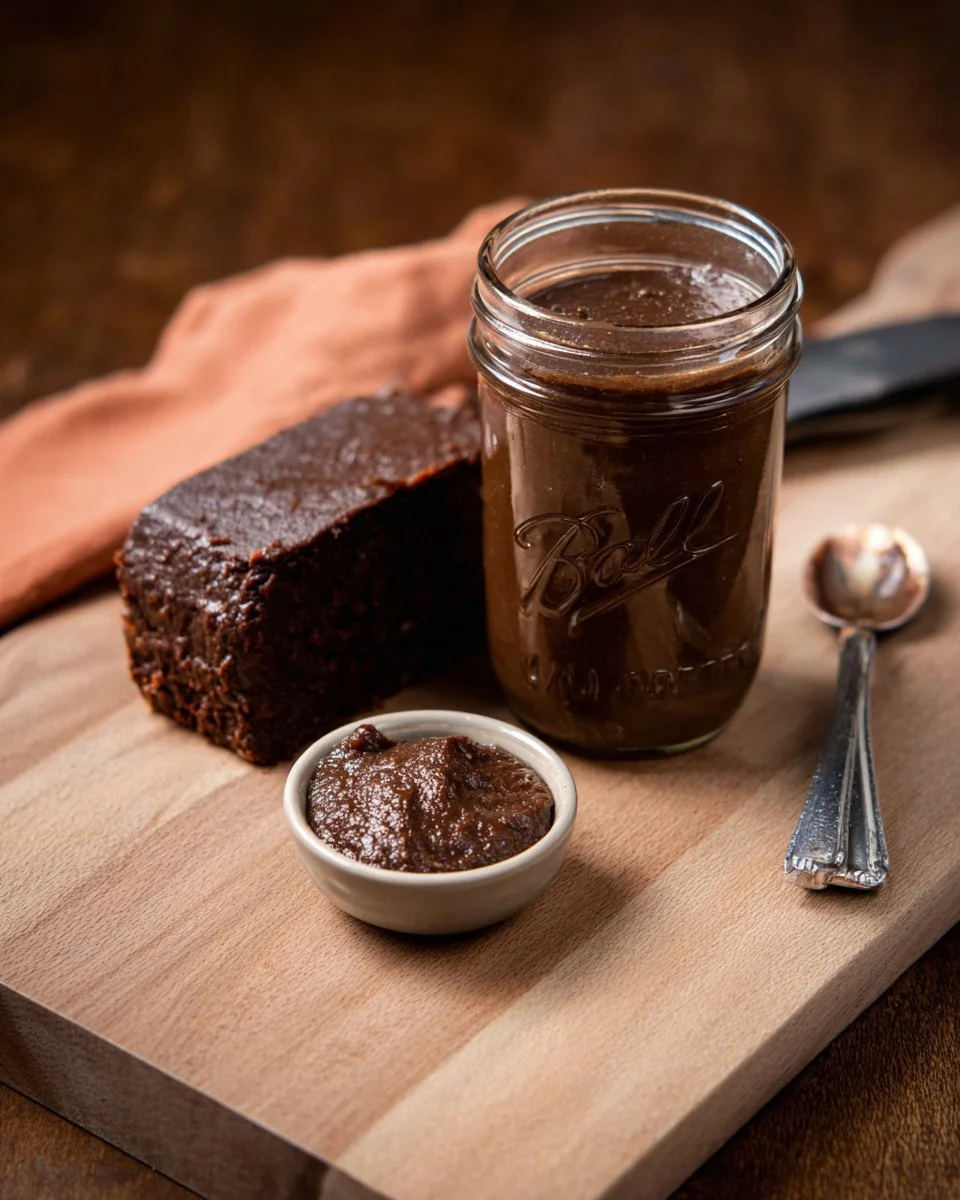
{image_template}
## Ingredients Section
- **1/2 lb seedless tamarind pulp**: Make sure to choose high-quality tamarind. Brands like *Tamarind Tree* or *Thai Kitchen* have great options. If you can find fresh tamarind, that’s even better!
- **2 cups hot water**: To help soften the pulp. Use freshly boiled water for the best results.
- **1/2 cup room temperature water**: Perfect for rinsing out the fibers.
**Prep Notes**: Ensure your tamarind pulp is seedless for ease of preparation. Using room temperature water will help combine ingredients smoothly.

## Step-by-step Instructions
1. **Prepare the Pulp**: Pull apart the tamarind block into small chunks and place them in a large, heat-proof mixing bowl.
2. **Soak for Softness**: Pour hot water over the tamarind and let it sit until cool enough to handle, about 20 minutes. This step is crucial as it softens the pulp for easier extraction.
3. **Squeeze and Scrunch**: With clean hands, squeeze and scrunch the pulp to loosen it from the fibers until it achieves a smoothie-like consistency. This can take about 5-7 minutes, so really get in there!
4. **Strain the Mixture**: Strain the tamarind mixture into a pot through a sieve, adding water if it seems too thick. You want a smooth paste, not a chunky one!
5. **Rinse Off**: Gradually pour the 1/2 cup room temperature water over the fibers in the sieve to extract every last bit of flavor. This step can really enhance the final product.
6. **Cook It Down**: Cook the tamarind paste over medium-high heat until boiling, stirring constantly for 4-5 minutes. Watch for a darker color and thicker texture.
7. **Transition to Storage**: Transfer the hot paste to clean, small mason jars, seal while hot, and let cool at room temperature before refrigerating. Trust me, seeing those jars neatly lined up is so satisfying!
8. **Freezer Option**: Optionally, freeze in ice cube trays and store in freezer bags for easy use in future recipes.
**Chef's Tip**: If you notice lumps in your paste, don’t be discouraged. Just give it a quick blend or strain it again!
## Expert Tips & Tricks
Here’s how to ensure your *Homemade Tamarind Paste* is perfect every time:
- **Storage**: Store in a tightly sealed jar in the refrigerator for up to two weeks or freezer for up to three months. The paste freezes beautifully, ensuring you'll have a quick flavor booster at your fingertips.
- **Make Ahead**: You can prepare this paste several days in advance which makes it perfect for busy weeknights.
- **Troubleshooting**: If your paste turns out too bitter, it might be due to overcooking. Make sure to keep a close eye during the cooking process.
- **Flavor Boost**: Add a pinch of salt or even a hint of chili for a spicy kick that amplifies the depth of flavor.
- **Consistency Check**: If the paste is too thick, add a little bit of hot water during cooking to thin it out.
## Serving Suggestions
*Homemade Tamarind Paste* is so versatile! Use it to:
- **Enhance Curries**: A spoonful stirred into your chicken or vegetable curry can make a simple dish sing.
- **Dazzle in Drinks**: Combine it with soda water for a refreshing tamarind soda or mix with lime juice for a tangy cocktail!
- **Add Flavor to Dips**: Serve it with crispy chips or fresh veggies for a delightful dip.
- **Presentation Idea**: Pair with fresh herbs and spices on a beautiful serving dish for a vibrant touch to your meal.
Whether you're hosting a dinner party or enjoying a casual family meal, there’s always a reason to serve and savor this delightful paste!
## Variations & Substitutions
Want to switch things up? Here are a few variations:
- **Sweet Tamarind Paste**: If you prefer a sweeter taste, mix in some brown sugar or honey right after cooking. This also balances the acidity beautifully.
- **Herbed addition**: Try adding fresh herbs like mint or cilantro if you plan to use the paste in sauces; it adds a fresh flavor to the mix.
- **Oil-Free Option**: Simply omit any oil when cooking to make this a lighter option that’s still packed with flavor.
## Nutrition & Storage Info
- **Prep Time**: 20 minutes
- **Cook Time**: 10 minutes
- **Total Time**: 30 minutes
- **Yield**: About 1 cup (serving size varies)
- **Estimated Calories**: Approximately 70 calories per tablespoon.
**Storage Instructions**: Keep in an airtight container at room temperature for 3 days, refrigerate for up to 2 weeks, or freeze for up to 3 months.
## FAQ Section
1. **Can I use fresh tamarind pods for this recipe?**
Absolutely! Fresh tamarind will give you the most authentic flavor. Just be sure to peel and remove the seeds before proceeding with the recipe.
2. **Is it necessary to cook the tamarind paste?**
Cooking helps deepen the flavors and thickens the paste. Skipping this step may yield a more watery consistency.
3. **Can I adjust the sweetness or sourness?**
Yes! You can easily add sugar or honey to sweeten it or dilute it with more water if it's too tart.
4. **How do I know when the paste is ready?**
The paste is ready when it turns a darker color and thickens nicely, which usually takes about 4-5 minutes of cooking.
5. **Can I use tamarind concentrate instead of making a paste?**
Yes, but keep in mind that it’s much more concentrated. You’ll need to adjust the amount and dilution accordingly.
6. **What dishes can I use tamarind paste in?**
It's perfect for curries, sauces, chutneys, marinades, and even desserts. Be creative!
7. **How can I tell if the paste is bad?**
If it develops an off smell, unusual color, or mold, it’s best to discard it.
8. **Can I use this paste in baking?**
While it’s not typical, you can experiment with tamarind in baking for a unique flavor in cakes or cookies.
9. **What’s the best way to thaw frozen tamarind paste?**
Allow it to thaw in the fridge overnight or gently defrost in the microwave.
10. **Does tamarind paste have any health benefits?**
Yes! Tamarind is rich in antioxidants and can aid digestion and improve overall gut health.
## Conclusion
Crafting your *Homemade Tamarind Paste* is not just about flavor—it's about connection. Every batch is an opportunity to connect with memories and share them with your loved ones. I encourage you to dive into this colorful adventure and unleash your creativity in the kitchen! Remember, I'd love to hear your thoughts and experiences. Share your comments below or check out my related recipes for more culinary inspiration. Happy cooking!
Homemade Tamarind Paste
- Total Time: 30 minutes
- Yield: 1 cup 1x
- Diet: Vegan
Description
A flavorful and versatile tamarind paste perfect for enhancing curries, dips, and drinks.
Ingredients
Scale
- 1/2 lb seedless tamarind pulp
- 2 cups hot water
- 1/2 cup room temperature water
Instructions
- Prepare the pulp by pulling apart the tamarind block into small chunks and placing them in a heat-proof mixing bowl.
- Soak the tamarind with hot water until cool enough to handle, about 20 minutes.
- Squeeze and scrunch the pulp to loosen it from the fibers until it achieves a smooth consistency.
- Strain the mixture into a pot through a sieve, adding more water if too thick.
- Rinse off with room temperature water over the fibers to extract extra flavor.
- Cook the tamarind paste over medium-high heat until boiling, stirring for 4-5 minutes until thicker.
- Transfer the hot paste to clean, small mason jars, seal while hot, and cool before refrigerating.
- Optionally, freeze in ice cube trays for future use.
Notes
Store in a tightly sealed jar in the refrigerator for up to two weeks or freeze for up to three months. Customize sweetness to your preference.
- Prep Time: 20 minutes
- Cook Time: 10 minutes
- Category: Condiment
- Method: Cooking
- Cuisine: South Asian
Nutrition
- Serving Size: 1 tablespoon
- Calories: 70
- Sugar: 2g
- Sodium: 5mg
- Fat: 0g
- Saturated Fat: 0g
- Unsaturated Fat: 0g
- Trans Fat: 0g
- Carbohydrates: 15g
- Fiber: 1g
- Protein: 1g
- Cholesterol: 0mg
🥗 Free Custom Keto Meal Plan?
Do you want to lose weight while still enjoying delicious Asian & Thai Fusion meals? Take this quick quiz to get your personalized Keto plan based on your favorite foods!
- ✅ No more guessing what to eat
- ✅ Delicious & easy-to-make recipes
- ✅ Tailored to your body type
Get My Custom Plan Now! →
*Over 100,000+ people have transformed their lives with this quiz.