
Table of Contents
Table of Contents
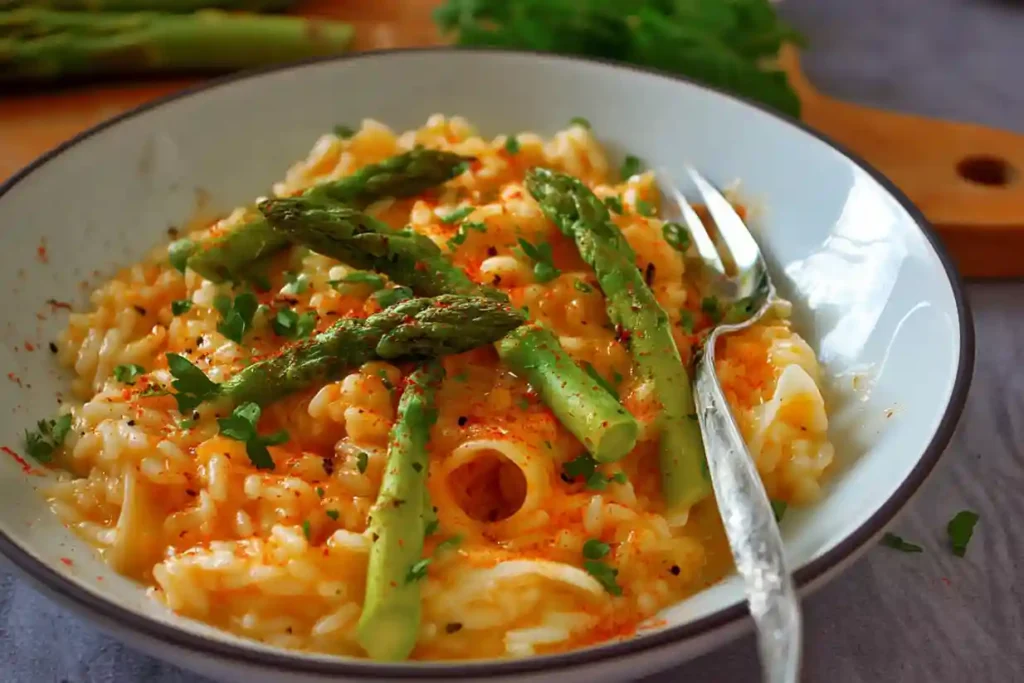
Asparagus Risotto is not just a dish; it’s a journey through delightful flavors and creamy textures that captivate your taste buds. If you’re looking for a meal that’s quick to prepare and bursting with nutritional benefits, you’ve landed in the right place. In this article, we’ll explore everything from essential ingredients and cooking instructions to variations and serving suggestions that will elevate your dining experience. Get ready to dive into a delicious world of Asparagus Risotto!
Why You’ll Love Asparagus Risotto
Perfect for Families, Quick, or Delicious
Asparagus Risotto is the ultimate family-friendly dish. With its creamy texture and rich flavor, it’s sure to please even the pickiest of eaters. Moreover, it’s incredibly quick to make—perfect for busy weeknights when you need a hearty meal on the table in no time. The combination of rice, fresh vegetables, and creamy cheese will leave everyone asking for seconds!
Nutritional Benefits and Simple Ingredients
This dish is not only delicious; it’s also packed with nutrients. Asparagus is a star ingredient known for its high fiber content, vitamins A, C, E, and K, and essential folate. The simple ingredients—like Arborio rice and vegetable broth—make it easy to whip up a healthy meal without excessive fuss. Plus, the inclusion of peas adds an extra dose of protein, making it filling and nutritious.
Flexible and Budget-Friendly
One of the best aspects of Asparagus Risotto is its flexibility. You can easily adapt the recipe to fit your budget or dietary needs. Whether you want to add different veggies, switch up the cheese, or make it gluten-free, the options are endless. This means it’s a perfect dish for any occasion, whether you’re cooking for a special event or just a regular Tuesday night dinner.

Essential Ingredients for the Recipe
To create your perfect Asparagus Risotto, you’ll need a few essential ingredients that come together to provide flavor, texture, and nourishment. Here’s what you need:
Ingredients:
Print
Exquisite Asparagus Risotto: A Delightful Culinary Adventure
- Total Time: 40 minutes
- Yield: 4 servings 1x
- Diet: Vegetarian
Description
Velvety arborio rice cooked slowly with white wine and broth, featuring tender asparagus spears and finished with Parmesan. A restaurant-quality vegetarian main or side dish.
Ingredients
- 1 lb (450g) fresh asparagus, trimmed
- 4 cups vegetable or chicken broth (keep warm)
- 2 tbsp olive oil
- 1 shallot, finely diced
- 2 garlic cloves, minced
- 1½ cups (300g) arborio rice
- ½ cup dry white wine
- 3 tbsp unsalted butter (divided)
- ½ cup grated Parmesan cheese
- 1 tbsp lemon zest
- 1 tbsp lemon juice
- Salt and pepper to taste
- 2 tbsp chopped fresh parsley or chives
Instructions
- Cut asparagus into 1-inch pieces, reserving tips. Blanch stalks in boiling water 2 minutes, add tips for final 30 seconds. Drain and shock in ice water.
- Heat oil in large pan over medium. Cook shallot 3 minutes until soft. Add garlic for 30 seconds.
- Add rice; toast 2 minutes until translucent edges appear. Pour in wine; stir until absorbed.
- Add warm broth ½ cup at a time, stirring constantly until absorbed before adding more (18-20 minutes total).
- When rice is al dente, stir in 2 tbsp butter, Parmesan, lemon zest/juice, and asparagus to heat through.
- Season with salt/pepper. Garnish with remaining butter, parsley, and extra Parmesan.
Notes
- Pro Tip: Keep broth at a simmer – cold broth stops cooking
- For vegan version: Use nutritional yeast instead of Parmesan
- Add ½ cup peas with asparagus for spring variation
- Leftovers make excellent arancini (risotto balls)
- Prep Time: 15 minutes
- Cook Time: 25 minutes
- Category: Main/Side Dish
- Method: Stovetop
- Cuisine: Italian
Nutrition
- Serving Size: 1¼ cup
- Calories: 420
- Sugar: 3g
- Sodium: 680mg
- Fat: 16g
- Saturated Fat: 7g
- Unsaturated Fat: 5g
- Trans Fat: 0g
- Carbohydrates: 55g
- Fiber: 4g
- Protein: 11g
- Cholesterol: 25mg
Main Ingredient 1: Arborio Rice
Arborio rice is crucial for making risotto because of its high starch content, which gives the dish its signature creaminess. If you’re unable to find Arborio rice, you can substitute it with other short-grain rice varieties, such as Carnaroli or Vialone Nano.
Main Ingredient 2: Asparagus
Asparagus is the star of this dish, providing a fresh and vibrant flavor. Choose fresh asparagus for the best taste; look for firm stalks with compact tips. If asparagus is out of season, feel free to use frozen asparagus—the texture will hold up nicely in the risotto.
Main Ingredient 3: Vegetable Broth
Using high-quality vegetable broth enhances the flavor of your risotto significantly. Make your own for a richer taste, or opt for low-sodium store-bought options. Always ensure it’s warm when adding it to your rice to maintain the cooking temperature.
Ingredient Preparation
Step 1 – Chop Your Vegetables
Begin by finely chopping the onion and mincing the garlic. Wash the asparagus and cut it into 1-inch pieces. This preparation ensures that everything cooks evenly.
Step 2 – Prepare the Broth
In a saucepan, bring the vegetable broth to a gentle simmer. Keeping the broth warm while cooking the risotto is important as it helps to extract the starch from the Arborio rice.
Step 3 – Measure Your Rice
Measure out 1 ½ cups of Arborio rice to ensure precise cooking. This consistency will lead to an ideal creamy texture in the final dish.
Step-by-Step Cooking Instructions
Step 1 – Initial Preparation
In a large, heavy-bottomed pot, heat the olive oil and butter over medium heat. Once the butter is melted and bubbly, add the chopped onion. Sauté for about 5 minutes until the onion is translucent and fragrant.
Step 2 – Ingredient Assembly
Stir in the minced garlic, cooking for an additional minute. Next, add your measured Arborio rice, stirring to coat the grains in the oil and butter mixture. Toast the rice for around 2-3 minutes, allowing it to absorb the flavors.
Step 3 – Cooking and Finishing Touches
Pour in the dry white wine and let it simmer until fully absorbed by the rice, stirring frequently. This process should take about 1-2 minutes.
Once the wine is absorbed, begin adding the warm vegetable broth, one ladle at a time, stirring continuously. Wait until each ladle has been absorbed before adding the next. This method of slow cooking ensures the rice releases its starches, creating a creamy texture. After about 18-20 minutes, the rice should be al dente. Stir in the asparagus and peas, cooking for an additional 3-5 minutes. Finally, remove from heat and mix in the Parmesan cheese, lemon juice, lemon zest, salt, and black pepper to taste. Garnish with fresh herbs before serving.
Tips for an Even Tastier Version
Adding Extra Ingredients
Get creative! Feel free to add additional vegetables like mushrooms or spinach, or even proteins like grilled chicken or shrimp. You can also enhance the flavor by sprinkling in herbs such as thyme or oregano while cooking.
Techniques to Enhance Flavor
To elevate your risotto, consider making a quick marinara sauce or a mushroom stock to replace the vegetable broth. You could also experiment with different cheeses, such as Pecorino Romano or goat cheese, for a unique twist.
Adjustments for Preferences
For those on a vegan diet, swap out the Parmesan for nutritional yeast or a vegan cheese alternative. Adjust the amount of butter for a lighter version while still maintaining that creamy texture with a splash of additional broth.
Recipe Variations and Adaptations
Vegetarian Option
This Asparagus Risotto is inherently vegetarian, but if you want to add more depth, consider including roasted vegetables like bell peppers or zucchini.
Gluten-Free or Low-Carb Option
For a gluten-free version, ensure your broth is labeled gluten-free. For a low-carb alternative, consider substituting the Arborio rice with cauliflower rice for a lighter dish.
Other Adaptations
Variations based on the seasons can include using fresh peas and basil in the spring, while winter might call for adding roasted pumpkin or butternut squash for a heartier texture.
Serving Suggestions
Salad or Soup Ideas
Pair your delicious Asparagus Risotto with a light arugula or spinach salad dressed with lemon vinaigrette. Alternatively, a creamy tomato soup can perfectly complement the dish.
Hearty Sides
Hearty sides such as homemade crusty bread or roasted vegetables beautifully accompany your risotto, adding texture and more nutrients to your meal.
Drink Recommendations
To enhance your dining experience, serve Asparagus Risotto with a crisp white wine like Sauvignon Blanc or a refreshing iced tea. For non-alcoholic options, try a zesty mocktail with lemonade and fresh herbs.
Storage and Reheating Tips
How to Store Leftovers
Allow any leftover Asparagus Risotto to cool completely before transferring it to an airtight container. Store in the refrigerator for up to 3 days or freeze for up to 2 months.
Reheating Techniques
When ready to enjoy your leftovers, reheat them on medium heat on the stove, adding a splash of broth or water to restore creaminess. Alternatively, you can use the microwave, heating in short bursts until warmed throughout.
Portioning Tips
This dish is perfect for meal prepping. Consider portioning into individual containers for easy grab-and-go lunches throughout the week.
Nutritional Information and Benefits
Nutritional Values per Serving
One serving of Asparagus Risotto (about 1 cup) contains approximately 350 calories, 12g protein, 5g fiber, and various vitamins and minerals.
Ingredient Benefits
Asparagus contributes antioxidants and essential nutrients, promoting overall health. The fiber in peas aids in digestion, while the healthy fats in olive oil and butter deliver energy.
Recommended Portions
For a balanced meal, serve 1-2 cups of risotto alongside a light salad or soup. The rich nature of the dish ensures that smaller portions satisfy your craving while maximizing flavor.
Common Mistakes to Avoid
Issue 1 – Undercooking the Rice
Ensure the rice is cooked to al dente by testing it frequently with a taste test. If undercooked, continue adding broth and cooking until it reaches the desired texture.
Issue 2 – Skipping Constant Stirring
Don’t skip the stirring! It is crucial for releasing the starch from the rice, resulting in the creamy texture that makes risotto exceptional.
Issue 3 – Not Measuring Ingredients Properly
Cooking is a science. Accurate measurements are essential for achieving the perfect balance of flavors and textures in your Asparagus Risotto.
Inspiring Conclusion
Asparagus Risotto offers not just a meal, but an experience that brings family and friends together around the dining table. The creamy, rich flavors invite an exploration that encourages creativity in the kitchen. So roll up your sleeves, experiment with various flavors, and don’t forget to share your delicious results with loved ones!
Creamy Lobster Risotto: A Delightful Culinary Journey
FAQ (Frequently Asked Questions)
- Can I prepare this recipe in advance? Yes, you can prepare the baseline risotto in advance and reheat when you’re ready to serve. Just add the vegetables shortly before serving to ensure freshness.
- What are the best substitutes for Arborio rice?Carnaroli and Vialone Nano are great alternatives for a creamy risotto texture. For a different approach, quinoa or farro can also be used.
- How do I make asparagus more flavorful?Blanch the asparagus in salted boiling water before adding it to the risotto for enhanced flavor. You can also sauté it with garlic and olive oil for an added kick.
- Can I use frozen asparagus? Absolutely! Frozen asparagus can be used just as effectively as fresh. Just add it to the risotto later in the cooking process to prevent overcooking.
- Can I add proteins to this dish? Yes, grilled chicken, shrimp, or even chickpeas can enhance the dish while adding protein, making it more satisfying.
- How can I incorporate different vegetables? Feel free to mix in seasonal vegetables like zucchini, mushrooms, or bell peppers based on your preference or what you have on hand.
- What’s the best way to store leftovers? Store any remaining risotto in an airtight container in the refrigerator for up to 3 days. You can also freeze it, but the texture may change slightly upon reheating.
- How do I reheat leftover risotto? Reheat on the stovetop with a splash of broth or water to restore its creamy consistency. Microwaving works as well; just do so in short bursts.
- Can I make this dish dairy-free? Yes! Substitute the butter for olive oil, and the Parmesan cheese with nutritional yeast or a non-dairy cheese alternative.
- What are the key factors for perfect risotto? Use the right type of rice, add warm broth gradually while stirring consistently, and adjust seasoning as you go for an ultimate creamy risotto experience.
Ask the Community

Ranime is the founder of RecipesFood.org, where she shares wholesome and creative recipes for everyday cooking. She’s passionate about food, wellness, and inspiring others to cook with joy and confidence.
🥗 Free Custom Keto Meal Plan?
Do you want to lose weight while still enjoying delicious Asian & Thai Fusion meals? Take this quick quiz to get your personalized Keto plan based on your favorite foods!
- ✅ No more guessing what to eat
- ✅ Delicious & easy-to-make recipes
- ✅ Tailored to your body type
Get My Custom Plan Now! →
*Over 100,000+ people have transformed their lives with this quiz.