Table of Contents
Table of Contents
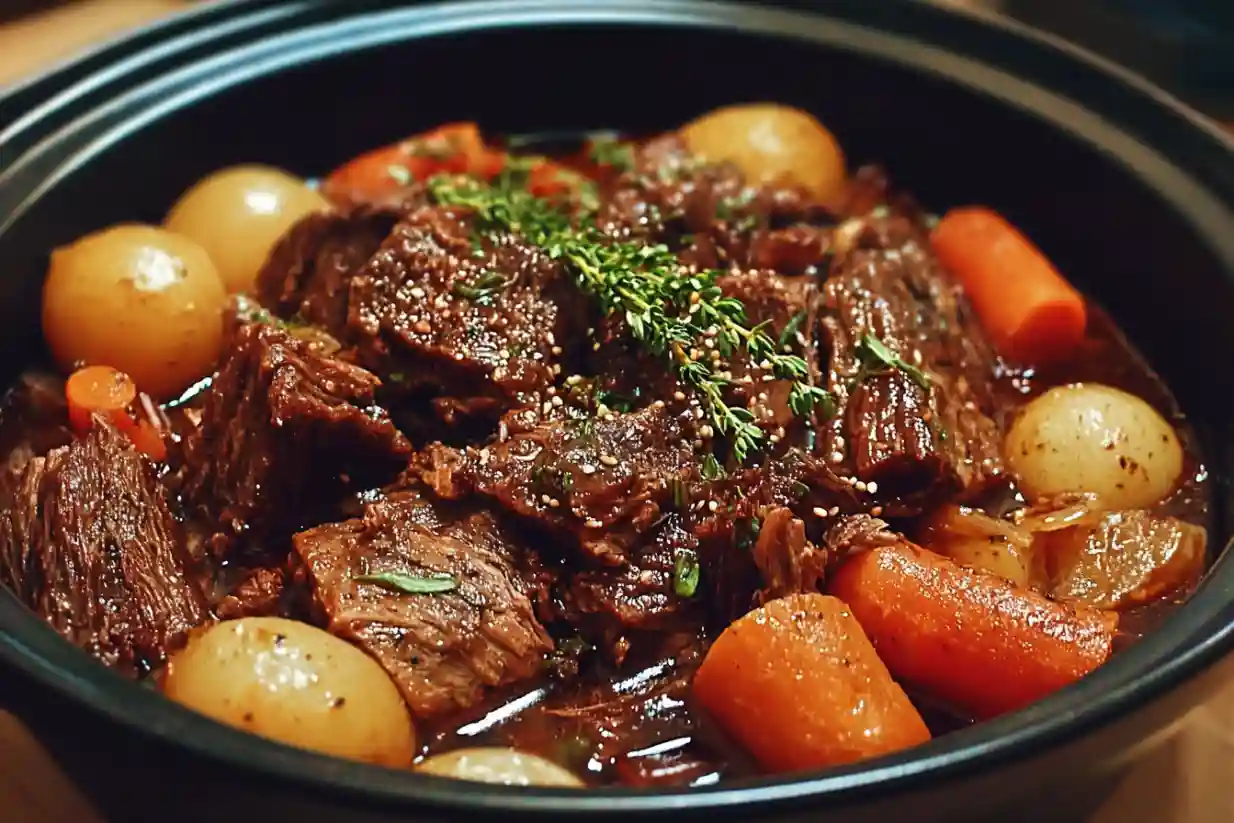
When it comes to comforting meals, few dishes can compete with a tender, flavorful pot roast. This Korean Style Pot Roast Recipe takes the classic pot roast and infuses it with the rich, aromatic flavors of Korean cuisine. This recipe isn’t just delicious; it’s perfect for family gatherings, meal prep, and cozy dinners. In this article, you’ll discover the irresistible reasons to make this dish, an extensive ingredient breakdown, and all the steps you need to whip it up perfectly.
Why You’ll Love Korean Style Pot Roast Recipe
Family-Friendly Comfort
There’s something incredibly heartwarming about a roast that brings people together. This Korean Style Pot Roast is not only delicious but also perfect for families. The tender, fall-apart beef combined with flavorful sauces makes it a hit with both kids and adults alike. After just one bite, everyone at the table will be asking for seconds!
Nutritional Benefits of Simple Ingredients
One of the highlights of this dish is that it utilizes wholesome ingredients that are rich in nutrients. Beef provides a great source of protein, while the vegetable broth and garlic pack in antioxidants. Additionally, using low-sodium soy sauce keeps the salt intake in check—making this meal a wholesome choice without sacrificing flavor.
Flexible and Adaptable
The Korean Style Pot Roast is an incredibly flexible recipe that you can adapt based on dietary preferences or what you have in your pantry. It’s budget-friendly, making it easy to swap out specific ingredients without compromising the essence of this flavorful dish. For example, you can use other cuts of beef or even replace it with chicken or tofu for a lighter version.
Essential Ingredients for the Recipe
Ingredients
Print
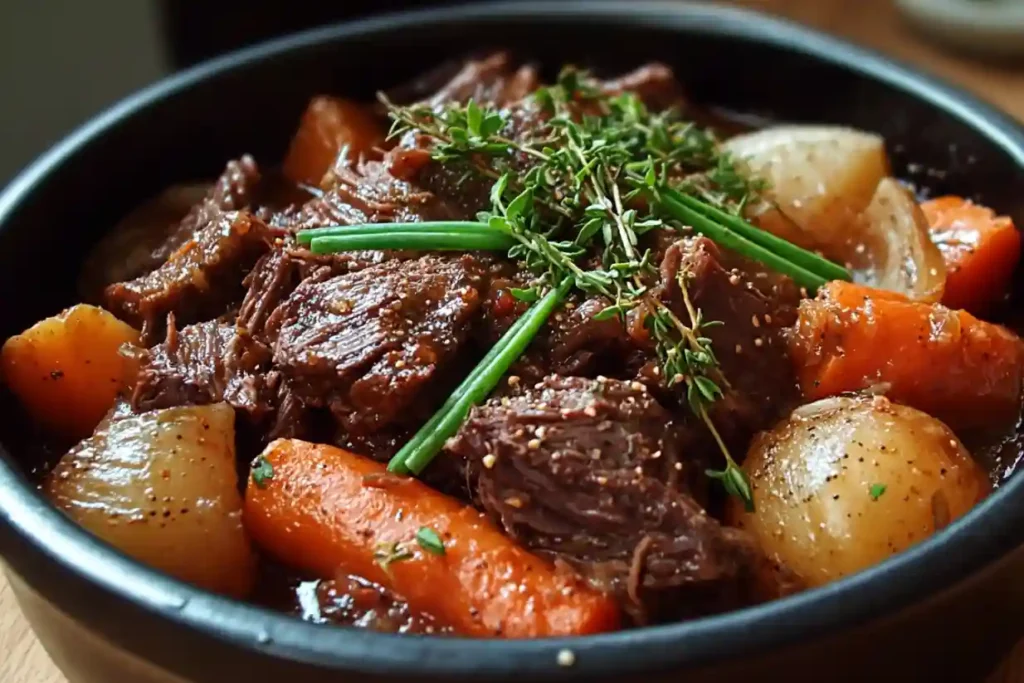
Korean Style Pot Roast Recipe: A Hearty, Flavorful Dish for Every Occasion
- Total Time: 4.5+ hours
- Yield: 6–8 servings 1x
Description
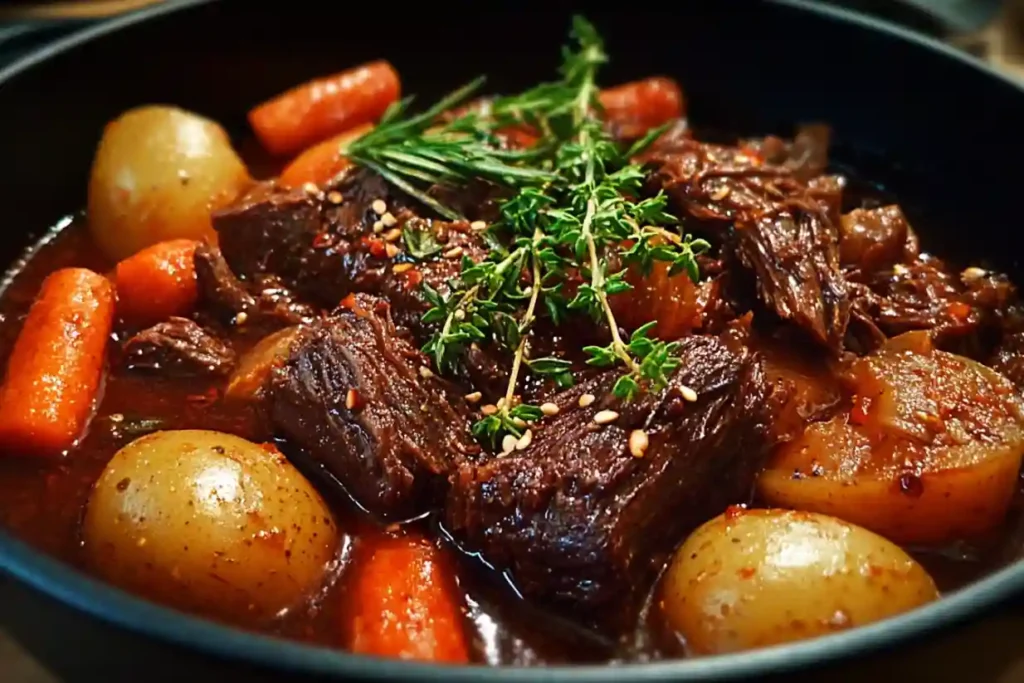
Ultra-tender beef chuck roast slow-cooked in a sweet-savory Korean-inspired sauce with fall-apart texture and deep umami flavor. Served with melt-in-your-mouth root vegetables.
Ingredients
- 3–4 lbs beef chuck roast
- 1 Asian pear (or 1/2 cup pineapple juice)
- 1/2 cup soy sauce (use gluten-free if needed)
- 1/4 cup brown sugar
- 2 tbsp honey
- 1 tbsp sesame oil
- 8 garlic cloves, minced
- 1 tbsp grated ginger
- 1 tbsp gochujang (Korean chili paste, adjust for heat)
- 1 large daikon radish, 1-inch chunks
- 2 carrots, 1-inch chunks
- 1 onion, quartered
- 4 shiitake mushrooms (or 8 oz button mushrooms)
- 1/2 cup chestnuts or potatoes (optional)
- 2 green onions, sliced
- 1 tbsp toasted sesame seeds
Instructions
- Marinate: Blend pear, soy sauce, sugar, honey, sesame oil, garlic, ginger and gochujang. Pierce roast all over with fork; coat with marinade. Refrigerate 4+ hours (best overnight).
- Sear: Remove meat from marinade (reserve liquid). Sear in Dutch oven over high heat 3 minutes per side until browned.
- Braise: Add reserved marinade and all vegetables except green onions. Bring to boil, then cover and transfer to 300°F oven. Cook 3.5-4 hours until fork-tender.
- Finish: Skim fat from sauce. Shred meat slightly or serve whole. Garnish with green onions and sesame seeds.
Notes
- Shortcut: Use slow cooker on Low 8 hours after searing
- For clearer broth: Strain and reduce sauce separately
- Traditional touch: Add 10 jujubes (red dates) if available
- Make ahead: Tastes better next day; remove meat before reheating sauce
- Prep Time: 30 minutes (+ marinating)
- Cook Time: 4 hours
- Category: Main Dish
- Method: Braising
- Cuisine: Korean Fusion
Nutrition
- Serving Size: 8 oz meat + veggies
- Calories: 480
- Sugar: 18g
- Sodium: 1200mg
- Fat: 22g
- Saturated Fat: 8g
- Unsaturated Fat: 6g
- Trans Fat: 0g
- Carbohydrates: 28g
- Fiber: 4g
- Protein: 42g
- Cholesterol: 130mg
Main Ingredient: Boneless Beef Chuck Roast
The boneless beef chuck roast is the star of the show. It’s known for its marbling, which ensures that the meat stays juicy and tender during cooking. You could substitute it with brisket or round roast, but keep in mind that you will need to adjust cooking times accordingly.
Alternative Ingredient: Gochujang
If you can’t find gochujang, a Korean chili paste, you can use a mix of sriracha and red miso as a substitute. This combination offers a similar flavor profile but won’t have the same depth that gochujang provides.
Fresh Aromatics: Garlic and Ginger
Fresh garlic and ginger are essential to the flavor of the roast. Always opt for fresh ingredients over pre-packaged versions for the best taste. When selecting ginger, choose firm pieces with smooth skin, avoiding any that are wrinkled or soft.
Ingredient Preparation
Step 1 – Season the Meat
Start by seasoning the boneless beef chuck roast generously with salt and pepper. This not only enhances the flavor of the meat but also helps to create a beautiful crust when seared.
Step 2 – Chop the Vegetables
While your roast is seasoning, finely chop the yellow onion and garlic. Grate the ginger using a microplane grater for an even texture. Preparing ingredients ahead can save you time and hassle when you start cooking.
Step 3 – Prepare the Sauce
In a medium bowl, whisk together the soy sauce, gochujang, garlic chili sauce, sesame oil, rice wine vinegar, and brown sugar until it’s smooth and well combined. Set it aside for later use.
Step-by-Step Cooking Instructions
Step 1 – Initial Preparation
Preheat your oven to 300°F (150°C). In an oven-safe pot or Dutch oven, heat the vegetable oil over medium-high heat.
Step 2 – Sear the Roast
Once the oil is shimmering, carefully place your seasoned roast into the pot. Sear all sides until browned, about 3-4 minutes per side. This step is crucial to lock in flavors and create a rich, brown crust.
Step 3 – Layering Ingredients
Once your roast is seared, remove it from the pot and set aside. In the same pot, add the chopped onions, ginger, and garlic. Sauté for about 2-3 minutes until fragrant and the onions are translucent. Return the roast to the pot, pour in the beef broth and sauce mixture, ensuring the roast is mostly submerged. Cover the pot with a tight lid and place it in the preheated oven.
Tips for an Even Tastier Version
Adding Extra Ingredients
Feel free to toss in additional vegetables like carrots, potatoes, or mushrooms. These not only enhance the flavor but also make the meal more nutritious and hearty.
Techniques to Enhance Flavor
For an added pop of flavor, consider marinating your roast in the sauce mixture for a few hours (or overnight) before cooking. This deeper infusion enhances the overall taste of the dish.
Adjustments for Preferences
If you or someone at your table has specific dietary needs, don’t hesitate to make substitutions. For a lower-carb version, serve the roast over a bed of cauliflower rice instead of traditional rice.
Recipe Variations and Adaptations
Vegetarian Option
To create a vegetarian version of this dish, consider using hearty vegetables like jackfruit or seitan, sautéed in the same way as the beef, and then simmered in the sauce until tender.
Gluten-Free or Low-Carb Option
For those who need to avoid gluten, use tamari as a substitute for soy sauce. You can also replace traditional rice with quinoa or spiralized zucchini to keep the meal low-carb.
Other Adaptations
Cook this pot roast in the slow cooker for an effortlessly hands-off approach. Just sear the roast as directed, then transfer everything into the slow cooker, setting it on low for around 6-8 hours.
Serving Suggestions
Salad or Soup Ideas
To balance the richness of the pot roast, serve a light and refreshing cucumber salad or a simple miso soup as a starter.
Hearty Sides
Pair your pot roast with homemade crusty bread or roasted root vegetables to soak up the savory sauce.
Drink Recommendations
A chilled glass of plum wine or a traditional Korean beverage like Sikhye complements the dish beautifully, while a classic iced tea provides a refreshing contrast.
Storage and Reheating Tips
How to Store Leftovers
Once cooled, store leftovers in an airtight container in the fridge for up to 4 days or freeze them for up to 3 months. Just be sure to cool the dish completely before freezing.
Reheating Techniques
To reheat, place the pot roast in a preheated oven at 350°F (175°C) until warmed through (about 20 minutes), or use a microwave for quick serving.
Portioning Tips
For quick meal prep, you can portion out servings before storing. This way, you can easily grab a healthy meal on busy days.
Nutritional Information and Benefits
Nutritional Values per Serving
Each serving of the Korean Style Pot Roast provides approximately 480 calories, 35g of protein, and a healthy dose of iron and vitamin B12 from the beef.
Ingredient Benefits
The ginger and garlic not only add flavor but also have anti-inflammatory properties, promoting overall wellness.
Recommended Portions
A serving size of roughly 4-6 ounces of meat with a side of veggies is recommended for a balanced meal.
Common Mistakes to Avoid
Overcooking the Roast
One common pitfall is overcooking the roast. Keep a close eye on cooking times and rely on a meat thermometer for best results. Aim for an internal temperature of 195°F (90°C) for maximum tenderness.
Not Letting the Roast Rest
After cooking, let the pot roast rest for at least 15 minutes before slicing. This allows the juices to redistribute throughout the meat, keeping it moist and flavorful.
Skipping the Browning Step
Don’t skip the searing step! It sets the foundation for a rich, buttery flavor that elevates the final dish immensely.
Inspiring Conclusion
This Korean Style Pot Roast Recipe is more than just a meal; it’s an opportunity to come together with family and friends, sharing love and laughter around the dinner table. This dish encourages experimentation, allowing you to tweak ingredients to suit your taste. As you embark on this culinary adventure, don’t hesitate to share your results and unique adaptations with others. Happy cooking!
Korean Ground Beef and Broccoli: A Wholesome Family Favorite
FAQ (Frequently Asked Questions)
- Can I prepare this recipe in advance?
Absolutely! You can prepare and marinate the meat the day before, which will enhance the flavors. - What are the best substitutes for gochujang?
If gochujang is unavailable, sriracha mixed with red miso makes for a good alternative, albeit with different flavor notes. - Can I cook this recipe in a slow cooker?
Yes, after searing the beef, transfer all ingredients to a slow cooker and set on low for 6-8 hours. - How can I make this recipe gluten-free?
Use tamari instead of soy sauce to make this dish gluten-free. - What vegetables can I add to the pot roast?
Consider adding carrots, potatoes, or mushrooms for added flavor and nutrition. - Is it necessary to brown the meat?
Yes, browning the meat adds a rich depth of flavor and color to the dish. - How long can I store leftovers?
Leftovers can typically be stored in the fridge for up to 4 days or frozen for up to 3 months. - How do I know when the roast is done?
Use a meat thermometer to check for an internal temperature of 195°F (90°C) for tender, well-cooked beef. - Can I adapt this recipe for a vegetarian option?
Yes, using jackfruit or seitan can give you a hearty and delicious vegetarian version. - What soups pair well with pot roast?
A simple miso soup or even a light vegetable broth can make for a great starter with your pot roast.
Explore, enjoy, and don’t forget to share your unique experiences with this Korean Style Pot Roast! Happy cooking!
Ask the Community

Ranime is the founder of RecipesFood.org, where she shares wholesome and creative recipes for everyday cooking. She’s passionate about food, wellness, and inspiring others to cook with joy and confidence.
🥗 Free Custom Keto Meal Plan?
Do you want to lose weight while still enjoying delicious Asian & Thai Fusion meals? Take this quick quiz to get your personalized Keto plan based on your favorite foods!
- ✅ No more guessing what to eat
- ✅ Delicious & easy-to-make recipes
- ✅ Tailored to your body type
Get My Custom Plan Now! →
*Over 100,000+ people have transformed their lives with this quiz.