Table of Contents
Table of Contents
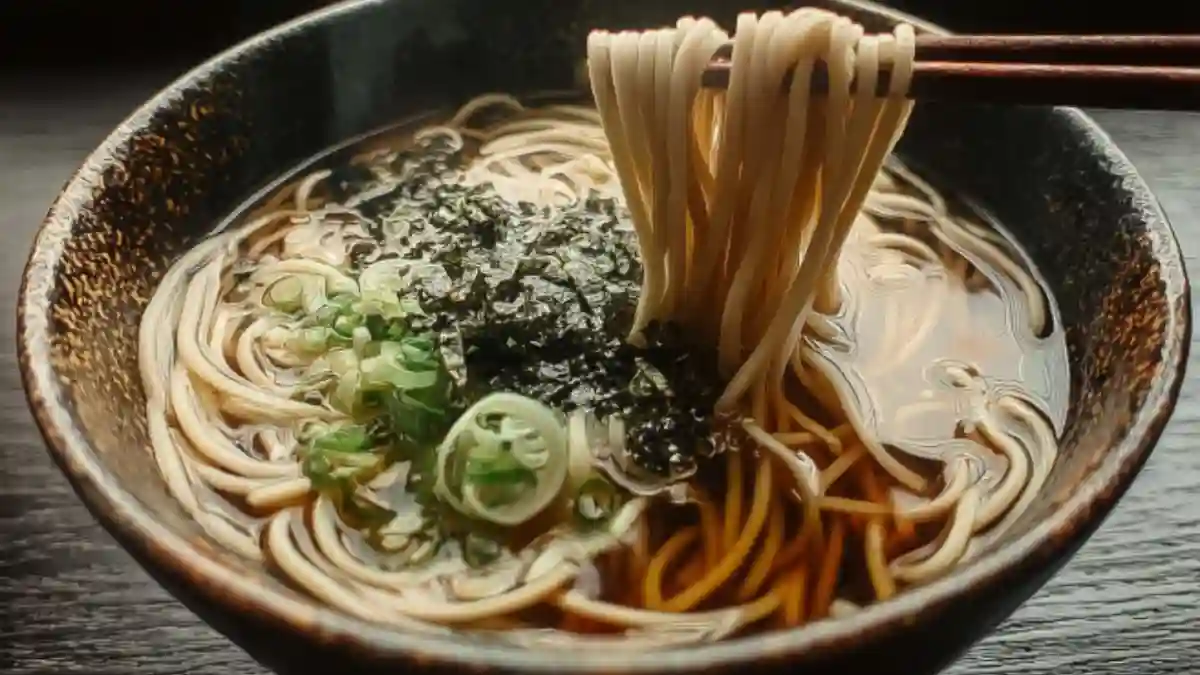
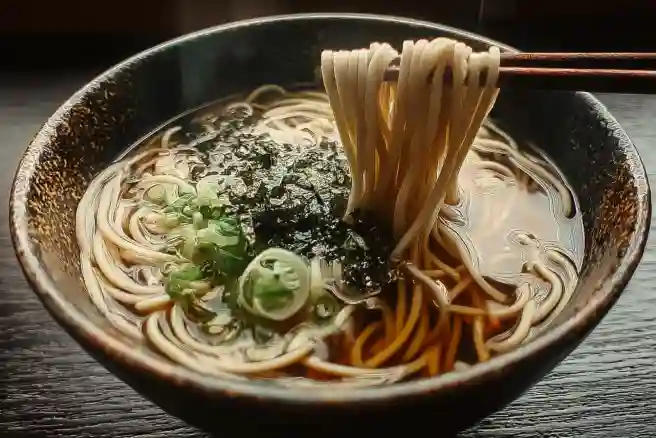
There’s something so comforting about a steaming bowl of noodles, especially on a chilly evening. I remember the first time I slurped Soba Noodles in Umami Dashi Broth at a cozy little Japanese restaurant tucked away in my hometown. It felt like a warm hug on a cold day; the umami-rich broth enveloping the perfectly cooked soba noodles was a taste revelation that I craved to replicate at home.
Years later, after countless kitchen experiments, I finally crafted a recipe that resonates with those fond memories, capturing the heart and soul of that original dish. This recipe stands out for its depth of flavor from the dashi broth, infused with Kombu and Katsuobushi, making it far better than any store-bought version. Better yet, it’s simpler than you think!
Not only will we whip up this delectable bowl of Japanese comfort food, but you’ll also learn tips and tricks to personalize it to your liking. I promise that with each bite, you’ll feel a sense of nostalgia and warmth that comes with home-cooked meals, turning this dish into a staple for your family gatherings. Let’s dive in!
What Are Soba Noodles in Umami Dashi Broth?
Soba noodles are traditional Japanese buckwheat noodles known for their nutty flavor and slightly chewy texture, which sets them apart from other pasta varieties. They have a storied history dating back to the Edo period in Japan, becoming a beloved staple due to their versatility and nutritional benefits.
When paired with umami dashi broth—a savory concoction made from Kombu (dried kelp) and Katsuobushi (dried bonito flakes)—the combination creates a beautifully harmonious dish. The light yet flavorful dashi broth enhances the earthy taste of the soba noodles, making them truly special.
Why should you consider making this dish? Whether for a casual weeknight dinner or as a warming dish after a long day, Soba Noodles in Umami Dashi Broth is perfect for any occasion. With its reflexive ability to comfort, you’ll find this dish a fantastic way to connect with cultural traditions and your family at the same time.
Why You’ll Love This Recipe
Here are a few reasons why Soba Noodles in Umami Dashi Broth will steal your heart:
Incredible Taste: The balance of flavors from the umami dashi and the slight nuttiness of the soba is something you can’t find in store-bought noodles. Plus, cooking your broth from scratch allows you to control the salt and other flavors.
Quick and Easy: This recipe is surprisingly fast. You can whip it up in just 30 minutes! Even on busy weeknights, you can prepare a healthy and delicious meal that feels special.
Cost-Effective: You might think that authentic Japanese cuisine requires expensive ingredients, but you’ll be pleasantly surprised. Most of the ingredients are affordable and last long, making this dish a budget-friendly option.
Customizable: Feel free to add your favorite vegetables, proteins (like shrimp or tofu), or even chili oil to elevate the flavors. The flexibility of this dish means it can fit any dietary need or palate preference.
Skill Level: Even if you’re a kitchen novice, this recipe is easy to follow! Yes, there are some steps, but once you’ve made it once, you’ll find the rhythm. I promise you’ll impress friends and family alike.
Ingredients
For this soul-weaving dish, here’s what you’ll need:
- 4 cups of water
- 1 piece of kombu (about 4×4 inches): Look for high-quality kombu at your local Asian grocery store or online. You can also use dried shiitake mushrooms as a substitute if necessary.
- 1 cup of katsuobushi (dried bonito flakes): You can find this easily in Japanese markets or online; however, don’t skip it! This is where the magic happens.
- 2 tablespoons of soy sauce: Opt for low-sodium soy sauce for better control of flavors.
- 1 tablespoon of mirin: A sweet rice wine that adds depth—available in most grocery stores.
- Salt to taste (keep in mind that soy sauce adds some salt)
- 8 ounces of soba noodles: Choose 100% buckwheat or a mix of buckwheat and wheat for best flavor.
- 2 green onions, finely chopped: For garnishing, adding a fresh crunch.
- 1 sheet of nori, cut into thin strips: For an umami burst and beautiful presentation.
- 1 soft-boiled egg (optional): This makes the dish feel extra special.
- Sesame seeds (optional): A sprinkle adds a delightful crunch.
Ingredient Notes:
- Quality: Always choose high-quality ingredients for the best flavors.
- Substitutions: While kombu and katsuobushi create an authentic dashi broth, you can substitute with veggie broth infused with seaweed for a vegetarian option.
- Prep Notes: Make sure your ingredients are at room temperature, particularly the butter, if you’re using it for other dishes.
Step-by-Step Instructions
Prepare the Dashi Broth
Soak Kombu: Place the kombu in a pot with 4 cups of water. Let it soak for 30 minutes to extract flavor.
Heat the Broth: Gradually heat the pot until the water is just about to simmer (not boiling!). Remove the kombu to prevent bitterness.
Add Katsuobushi: Toss the katsuobushi into the pot, increase the heat and bring it to a gentle boil. Then, reduce the heat and let it simmer for 5 minutes, stirring occasionally.
Strain the Broth: After 5 minutes, strain the broth to discard the bonito flakes, returning the clear dashi to the pot. Return to low heat and season with soy sauce, mirin, and salt to taste.
Cook the Soba Noodles
Prepare the Noodles: Boil a separate pot of water. Cook the soba noodles for 5-7 minutes until tender, stirring gently to prevent sticking.
Rinse: Drain and rinse the noodles under cold water to halt the cooking process and remove excess starch.
Assemble the Dish
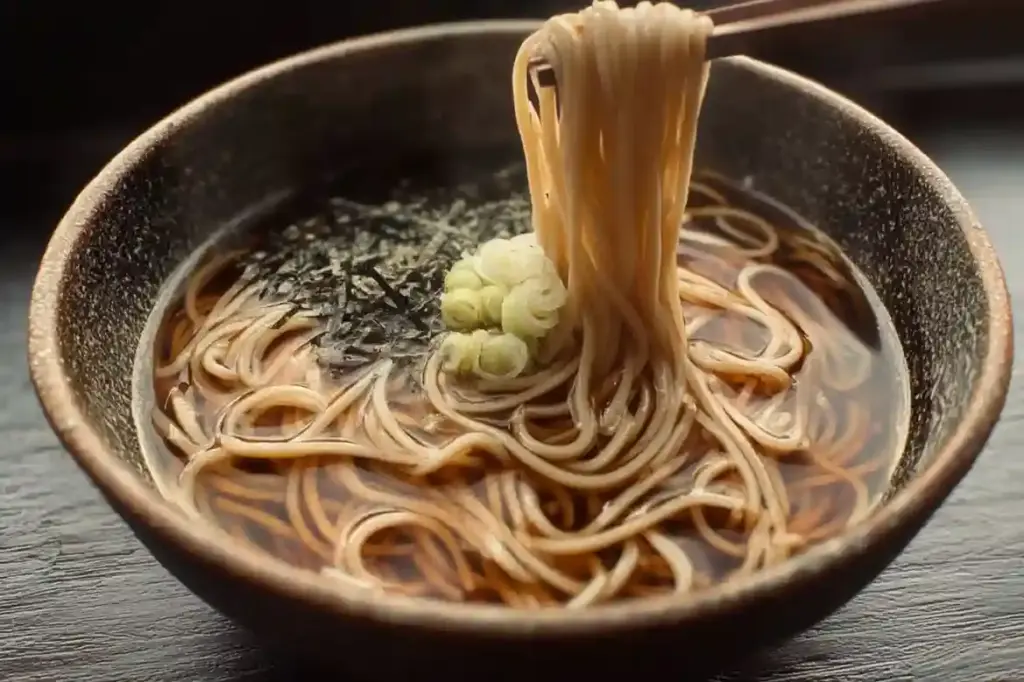
Bowl it Up: Place portions of soba noodles into individual bowls. Ladle the hot dashi broth over the noodles.
Garnish: Top with chopped green onions, nori, and if desired, a soft-boiled egg, sliced in half. Sprinkle sesame seeds for a delightful crunch.
Chef’s Tips:
- Timing: Keep an eye on your dashi as overcooking can lead to a bitter flavor.
- Common Mistake: Overcooking your soba noodles can lead to mushy noodles. Confidently stick to the recommended cooking time.
- Visual Cues: The dashi should look clear but fragrant, and the noodles should hold their shape yet have a glossy appearance.
Expert Tips & Tricks
Use Fresh Ingredients: Soba noodles are best served fresh. If possible, avoid dried noodles that have been sitting on the shelf too long.
Make It Ahead: You can prepare dashi broth a day in advance. Just store it in an airtight container in the refrigerator and reheat when ready to serve.
Customization: Enhance your dashi with additional ingredients, such as shiitake mushrooms, bok choy, or snow peas. Experiment!
Storage: Store leftover dashi in the fridge for up to 3 days, but the soba noodles should be eaten fresh. Any leftover noodles will become mushy.
Troubleshooting: If your broth tastes too seafood-like, you can dilute it with more water and adjust seasoning accordingly.
Serving Suggestions
This comforting bowl of Soba Noodles in Umami Dashi Broth stands wonderfully on its own, but pairing it with a side of crisp tempura vegetables or a light salad could elevate the experience. Use beautiful bowls for presentation and garnish with additional green onions or chili flakes for an inviting touch. This dish is perfect for cozy family dinners or a laid-back gathering with friends.
Variations & Substitutions
There are endless possibilities to make Soba Noodles in Umami Dashi Broth your own:
Spice Level: For a spicy kick, consider adding chili oil or fresh ginger while cooking the broth.
Vegetarian Version: Replace katsuobushi with shiitake mushrooms for a meaty depth without the fish. Tofu can be a protein-packed addition.
Seasonal Variations: Use seasonal veggies, like carrots in the winter or snap peas in the spring, to bring freshness and variety.
Nutrition & Storage Info
- Prep Time: 15 minutes
- Cook Time: 20 minutes
- Total Time: 35 minutes
- Yield: 4 servings
- Estimated Calories: Approximately 250 calories per serving (without the egg).
Storage Instructions
- Room Temp: Soba noodles should not be left out for more than two hours.
- Fridge: Keep the dashi broth refrigerated in a sealed container for up to 3 days.
- Freezer: Dashi can be frozen for up to 2 months; however, use fresh soba noodles for the best result.
FAQ Section
Can I use whole wheat soba noodles?
Yes! Whole wheat soba will provide a different flavor and texture, contributing to the nutty experience.How do I know if the broth is done?
The dashi should have a fragrant, savory aroma, and be clear and light in color.What can I add for extra protein?
Tofu, chicken, or shrimp are all great options! You can sauté or grill them separately and add them to your bowl.Is this recipe gluten-free?
Naturally, soba noodles made from 100% buckwheat are gluten-free, but always check the packaging for any wheat content.Can I make this recipe vegan?
Absolutely! Simply omit the egg and use shiitake mushrooms instead of katsuobushi.What if I don’t have mirin?
You can substitute mirin with a mixture of rice vinegar and sugar in a 1:1 ratio.How long can I store leftovers?
You can store the dashi for up to 3 days in the fridge, but it’s best to consume the noodles immediately after cooking.Can I use instant dashi?
Yes! If you are short on time, instant dashi powder offers convenience without sacrificing flavor.Can I use different types of noodles?
While soba provides a unique flavor, you can substitute it with udon or rice noodles in a pinch.How can I add more vegetables?
Broccoli, bok choy, or spinach can be steamed or stir-fried and added right before serving for extra nutrition and texture.
Conclusion
Soba Noodles in Umami Dashi Broth is more than just a recipe; it’s a gateway to culinary adventures, a bowl full of nostalgia, and a comfort food that can bring smiles to faces young and old. Try my version and let me know how you feel when memories wrapped in flavor dance on your tongue!
I encourage you to make this dish your own and share your experiences with me—my kitchen is never too big for feedback. If you loved this recipe, don’t forget to check out other warming dishes on my blog, like Warm Miso Ramen or Traditional Japanese Udon.
Easy Korean Spicy Noodles with Beef
Beef and Broccoli Stir Fry with Ramen Noodles
The Ultimate CUMIN LAMB NOODLES Recipe
Happy cooking!
Print
Soba Noodles in Umami Dashi Broth
- Total Time: 35 minutes
- Yield: 4 servings 1x
- Diet: Low Fat
Description
A traditional Japanese dish featuring nutty soba noodles served in a savory umami dashi broth made with kombu and bonito flakes. This light yet flavorful meal is both comforting and nourishing, perfect for a quick weeknight dinner or a restorative meal.
Ingredients
- 4 cups water
- 1 piece kombu (4x4 inches)
- 1 cup katsuobushi (dried bonito flakes)
- 2 tablespoons soy sauce
- 1 tablespoon mirin
- Salt to taste
- 8 ounces soba noodles
- 2 green onions, finely chopped
- 1 sheet nori, cut into strips
- 1 soft-boiled egg (optional)
- Sesame seeds for garnish (optional)
Instructions
- Soak kombu in 4 cups water for 30 minutes. Heat gently until nearly simmering, then remove kombu.
- Add katsuobushi, bring to gentle boil, then simmer 5 minutes.
- Strain broth, discard solids. Return broth to pot, add soy sauce, mirin, and salt to taste.
- In separate pot, cook soba noodles according to package directions (5-7 minutes).
- Drain and rinse noodles under cold water to stop cooking.
- Divide noodles among bowls, ladle hot dashi broth over noodles.
- Garnish with green onions, nori strips, soft-boiled egg (if using), and sesame seeds.
Notes
- Do not boil kombu to avoid bitterness in broth.
- Rinse soba noodles after cooking to remove excess starch and prevent sticking.
- For vegetarian version, substitute katsuobushi with dried shiitake mushrooms.
- Serve immediately for best texture – soba noodles can become soft if left in broth too long.
- Dashi broth can be made ahead and refrigerated for up to 3 days.
- Prep Time: 15 minutes
- Cook Time: 20 minutes
- Category: Main Course
- Method: Simmering
- Cuisine: Japanese
Nutrition
- Serving Size: 1 bowl
- Calories: 250
- Sugar: 2g
- Sodium: 680mg
- Fat: 2g
- Saturated Fat: 0.5g
- Unsaturated Fat: 1g
- Trans Fat: 0g
- Carbohydrates: 48g
- Fiber: 2g
- Protein: 10g
- Cholesterol: 0mg
Ask the Community
🥗 Free Custom Keto Meal Plan?
Do you want to lose weight while still enjoying delicious Asian & Thai Fusion meals? Take this quick quiz to get your personalized Keto plan based on your favorite foods!
- ✅ No more guessing what to eat
- ✅ Delicious & easy-to-make recipes
- ✅ Tailored to your body type
Get My Custom Plan Now! →
*Over 100,000+ people have transformed their lives with this quiz.